













Frozen car door: how to open it without tearing the seal
Daniel von Detailing1 |


Koch-Chemie
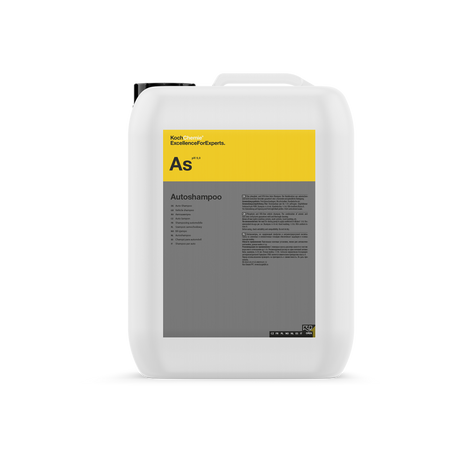
Auto-Shampoo "As" Auto-Shampoo
Réinëgt géierlech an schonend, erhalt de Glanz vun der Lakoberfläch
Koch-Chemie
Brongschong Léiderpfleg-Emoll goung mat aktiven UV-Blocker
Koch-Chemie × COLOURLOCK
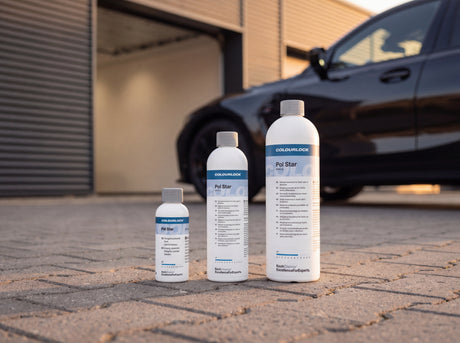
COLOURLOCK "Pol Star" Reinigerkonzentraat fir Textil, Léi & Alcantara
pH-neutral cleaner concentrate for fabric, Alcantara & smooth leather
Koch-Chemie
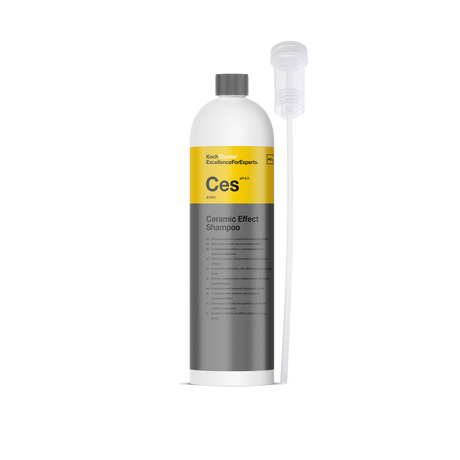
Ceramic Effect Shampoo "Ces" Pflegeshampoo mat en Effekt vun laangfristeger Versieglung
Pflege-Shampoo mat SiO₂-Verséiglung fir coating-kompatibel Handwäsch
Koch-Chemie
Motorplast "Mp" Motorkonserverung
Silikonfreie Motorconservateur mat Daimler-Werksnorm
Koch-Chemie
Protector-Wax "Pw" Konserverungswachs
Nassversieglung mat Lotuseffekt an Schichtazwoull no all Wäsch
Koch-Chemie
Reaktivierungs-Shampoo "Rs" Auto-Shampoo fir Keramikversieglung
Revolutionary cleaning and protection for ceramic coated vehicles!
Koch-Chemie × COLOURLOCK
COLOURLOCK "Leather Care" Glattlerpflegmëllech mat UV-Schutz
Pflegmëllech fir glattes Léi mat UV-Schutz
Koch-Chemie
Kcu-Reifenschum "Rfs" Reifpleeg
Schnell a effektiv Reifferpfleg fir laangwierdege Glanz


Soft99
Fusso-Fluorpolymer-Scheibverséigellung — bis zu 12 Méinten

Soft99
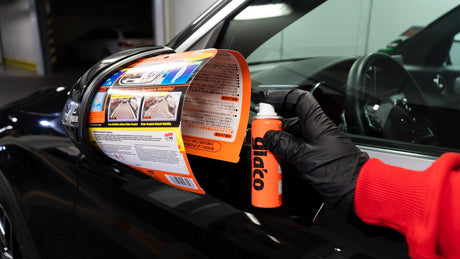
Glaco Mirror Coat Zero Spigelversieglung
Nano-Spiegelversieglung fir Aussenspiegel an Kamera
Soft99
Fusso Coat 12 Months Wax Dark Wachsverséiglung
Laangzeeschutz an Glanz fir donkel Lak mat legendäre Status
Koch-Chemie
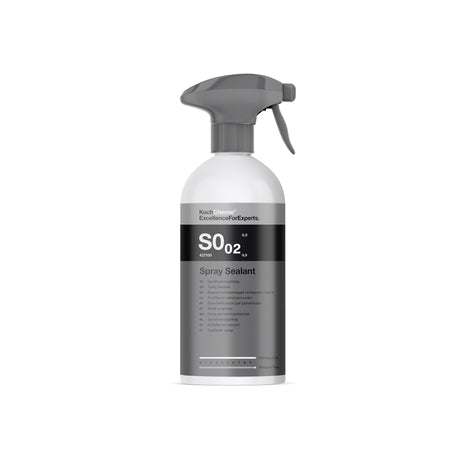
Spray Sealant "S0.02" Spréihverséiglung
Spréihverséiglung fir glänzend Lak an perfekte Schutz


Koch-Chemie
Rapid Rinseless Wash "Rrw" Woschen ouni Ofspéile
Schnell Wäsch ofen Lack schonnend ouni Ofspéile

SONAX
XTREME Ceramic Spray-Versiegelung Sprühversiegelung
Keramesch SprayVersiegelung — 4 Méin schéin, Si-Carbon
Koch-Chemie
Hydro Foam Sealant "S0.03" Notzverzjellungs-Konzentrat
Optimale hydrophob Schutz a tüeie Glanz fir dengt Faarf
Koch-Chemie × COLOURLOCK
COLOURLOCK "Leather Shield" Pflegemittel fir Neileider zum Schutz vir Verzong
Lied mat Abrieb schützen an matt erhalen
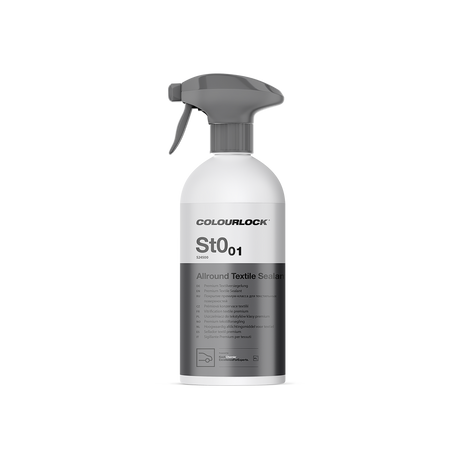

Koch-Chemie × COLOURLOCK
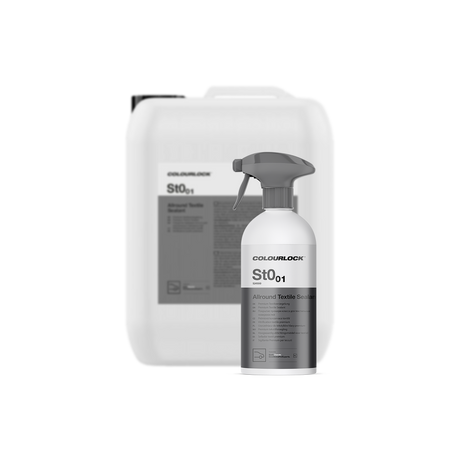
Allround Textile Sealant "St0.01" Premium Textilversiegelung
Optimale Textilverséiglung fir laanglaarteg Schutz
Koch-Chemie × COLOURLOCK
COLOURLOCK "Artificial Leather Protector" Versieglung fir Kinzléier
Kunstlerleder verschéllégen an vir Abrieb schéin
Koch-Chemie
Ceramic Body "Cb0.01" Keramikverséiglung
Bitt upoucht 36 Méineng langlaich Lakschutz an en tüeche Glanz


Koch-Chemie × COLOURLOCK
COLOURLOCK "Smooth Leather Care" Set (Pflegeset fir glattes Léder ab 3 Joer)
Liederpfeeg fir eltert Léider fir Geschméidegkeet an Schutz


Soft99
Soft99 Glaco DX Zéigverséiglung
SARF-Scheebenverséiglung — bis zu 4 Méint Abperle-Effekt
Koch-Chemie × THE FINISHER
THE FINISHER "LeatherLock" Léiderpfleg
Universal-Liederpfeeg mat UV-Schutz fir eng angenehm Haptik

SONAX
XTREME ReifenGlanzGel "Ultra Wet Look" Reifenpfleg
ReifenGlanzGel "Ultra Wet Look" — Reifenpfleg mat déifem Hochglanz
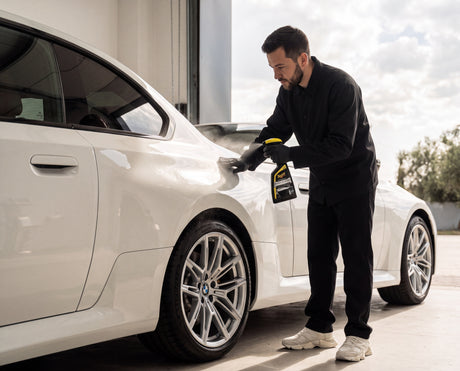
Lackverséigellung verbunnt verschiddege Weeër zu engem geschütztem Lackfinish. Spréijprodukter, Woxen, Nossverséigellungen an aushärte Coatings ënnerscheich sech an Rezeptur an Verarbechtung. Preparatioun, wëllte Ëffuer an vorhandene Schutz entscheeden iwwer d'Auswahl; d'Form vu der Präsentatioun alläin beschreift nach keng Haltbarkeet.
Koch-Chemie
Protector-Wax "Pw" Konserverungswachs
Nassversieglung mat Lotuseffekt an Schichtazwoull no all Wäsch
Koch-Chemie
WetGloss "Wg" Nassverséiglung fir erhéigtn Glanz an staark Hydrophobie
RTU-Nassversiegelung mat Aminosilan fir Glanz an Beading an Minutten
Koch-Chemie
Spray Sealant "S0.02" Spréihverséiglung
Spréihverséiglung fir glänzend Lak an perfekte Schutz
Soft99
Fusso Coat 12 Months Wax Dark Wachsverséiglung
Laangzeeschutz an Glanz fir donkel Lak mat legendäre Status
Koch-Chemie
Hydro Foam Sealant "S0.03" Notzverzjellungs-Konzentrat
Optimale hydrophob Schutz a tüeie Glanz fir dengt Faarf
Dr. Wack "A1"
A1 "ALL in ONE" Care & Protect Spréihverséigellung
Multisurface-Spréihverséiglung fir all Ësserdéiflächer — ouni Wëllzäit
GYEON
GYEON Q²M WetCoat – SiO₂-Nassverséiglung direkt no der Wäsch
Dr. Wack "A1"
A1 "HIGH END" Spray Wax Spréiwachs
Spréiwaks fir nässe wéi drockene Lack — pH-neutral, ouni Wëllzäit
Koch-Chemie
PerfectFinish Sealant "Pfs" Spréihverséiglung fir eng hochglänzend Fläch
Polymer-Spréihverséiglung vun Koch-Chemie fir Lak an Keramik


GYEON
Q² One EVO Paint Coating Keramikversiegelung fir Lak
Feelerverzeihend Keramikbeschong – Profi-Schong fir Ufankéier
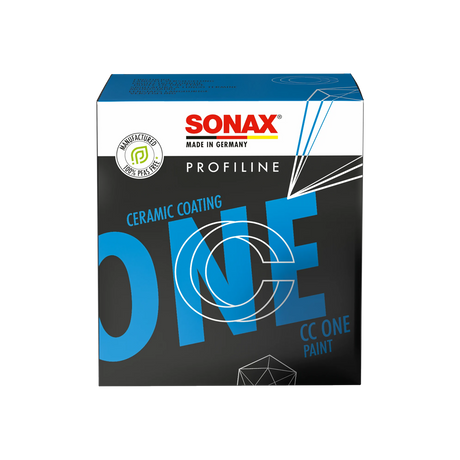
SONAX
PROFILINE CeramicCoating "CC" One (Paint) Keramikversiegelung
CeramicCoating CC One (Paint) — SiO2-Keramikversiegelung
Koch-Chemie
Ceramic Allround "C0.02" Keramikverséiglung
Hochwäerte Keramikverséiglung fir laanglaarte Schutz an Glanz
Felgen- an Reifeschong ordnet Schutzprodukter no de fregefaassene Ufuerflächer un der Roued. Felgenfinish, vorhande Beschimmung an Belastung bestëmmen d'passend Versieglung. Reiengung an Preparatioun ghören zum System; d'Pfleg vun enger Reifferflank ass fachlech vun enger uerhärtender Beschimmung op der Felgen ze onderscheeden.
Koch-Chemie
Kcu-Reifenschum "Rfs" Reifpleeg
Schnell a effektiv Reifferpfleg fir laangwierdege Glanz
GYEON
GYEON Q²M TireExpress – Polymer-Reifenpfleg fir wochenlank Schwärz


SONAX
XTREME Ceramic Reife+Felge-Detailer Quick-Detailer
2-en-1 Keramik-Pfleg: Reifer an Felgen reinigen, schützen, pflegen


Meguiars
ULTIMATE "Insane Shine" Tire & Trim Gel Reifenpfleg
Hochglanz-Reifengel fir ganz schwaarz glanzend Reifen an Trim


GYEON
Q² Rim EVO Ceramic Rim Coating Keramikversiegelung fir Felgen
Keramikbeschong fir Felgen – héizbeständeg, Bremsstaub-abweisend

GYEON
Q² Tire Ceramic Tire Protecant Reifenpfleg mat Versieglung
Keramik-Reifenpfleg ouni Sprotten – dauerhaft tüppschwaarz


Dr. Wack "P21S"
P21S "Felgen-Wachs" Felgenversiegelung
Glanz an Schutz fir Felge mat Easy-to-Clean-Effekt
INNOVACAR
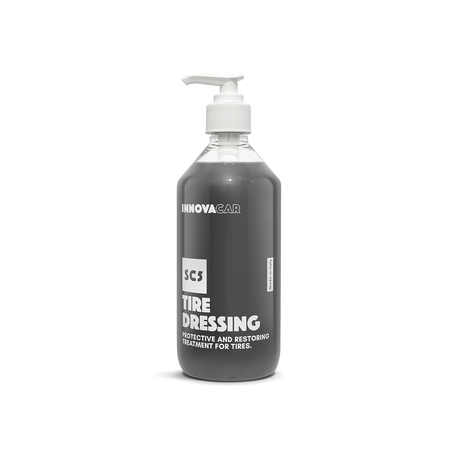
"SC5" Tire Dressing Reifenpfleg
Vielsiiteg Reifer- an Kunststoffpfleg mat laangwierendem Schutz
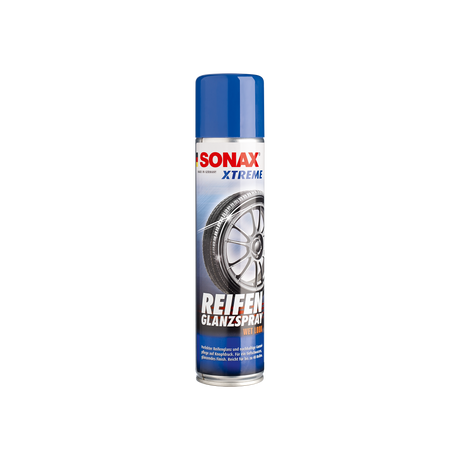
SONAX
XTREME Reiferglanzspray "Wet Look" Reifpleeg
ReifenGlanzSpray Wet Look — Aerosol-Reifenpfleg mat UV-Schutz


Meguiars
Ultimate Insane Shine Tire Spray Reifpleeg
Schnell Reifenpfleg — intensiver Glanz an Sekonnen
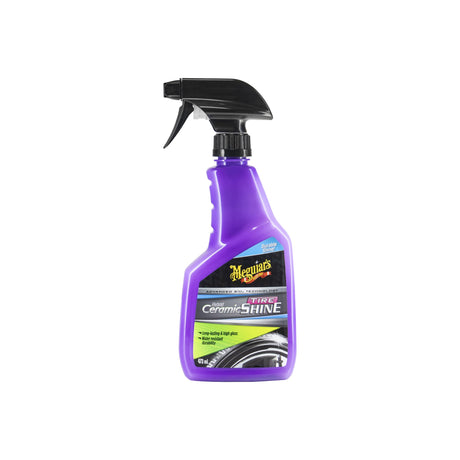
Meguiars
Hybrid Ceramic Tire Shine Reifpleeg
SiO2-Keramikschutz fir Reife — Hochglanz, de hält

Meguiars
Ultimate Insane Shine Tire Coating Reifferpfleg
Extrëmen Notz-Look-Reifenmëlleks mat Polymer-Schutz
Scheeb- an Glaschutz unterschéideg wässerabweisende Schutz an d'Behandlung géig Géischt. Außenfläch, Spiergel an Innenseiten hunn ännerlech Ufuerderungen un Sicht an Benetzung. D'Freigab fir Glas an existéierendi Beschichtungen bestëmmen d'Auswahl; eng ëmmenlech Reinem ass d'Basis fir eng gläichmëssig Uwendung.
Soft99
Fusso-Fluorpolymer-Scheibverséigellung — bis zu 12 Méinten
Soft99
Glaco Mirror Coat Zero Spigelversieglung
Nano-Spiegelversieglung fir Aussenspiegel an Kamera
Koch-Chemie
Nano-Glasverséigellung "Ng" Scheiberverséigellung Set
Zouverschong mat laanglaacheg Nano-Technologie fir kloer Sicht


GYEON
Q² View EVO Rain Repellent Glasversiegelung
Profi-Glasversieglung mat Rain-Repellent – maximal Sicht am Räin


CarPro
"FlyBy FORTE" Windshield & Glass Coating Glasversiegelung
Glasverséiglung fir Windschutzscheeier mat laanglaarteg Schutz


CarPro
"FlyBy30" Windshield Rain Repellent Glasversiegelung
Glasversieglung fir kloer Sicht


CarPro
D.QUARTZ "GForce" Glass-Coating Glasversieglung
Hochklar hydrophob Glasverséiglung mat Nanodiamant-Technologie

SONAX
PROFILINE CeramicCoating "CC" Glass Keramik-Glasverséiglung (12 Mé toute)
Keramik-Glasverséiglung mat 12 Méinoden Abperle-Effekt

Meguiars
PERFECT CLARITY Glass Sealant Glasversieglung
Hydrophob Gläsverséiglung fir maximal Ofschléierwirksamk bei Räin
GYEON
Q² AntiFog Anti-Beschlag-Verséiglung (Innengestou름)
Beschlagfrei Vunnerglas – dauerhaft a streifenfrei
GYEON
Glasversieglung mat Lotus-Effekt – besser Sicht am Räin


INNOVACAR
"SC3" Glass Sealant Scheivverséiglung
Scheibverséiglung mat Nanotechnologie fir kloer Sicht
Lied & Kënschtlech Lied: Den Ëmmerkschutz vu Lieder an Kënschtlech Lieder ënnerscheed tëscht Owerflächversieglung an Imprägnierung. Beschongt Gliedleder, Kënschtlech Lieder an Ëffneporéiert Lieder stellen ënnerschiedlech Ufuerderungen un d'Schutzmittel. D'Materialfreigab an d'Benotzung bestëmmen d'Auswahl; Pflegebedarf an Reparatuer bleiwen eeg Aufgaben vir engem passende Schutzauftrag.
Koch-Chemie × COLOURLOCK
COLOURLOCK "Leather Care" Glattlerpflegmëllech mat UV-Schutz
Pflegmëllech fir glattes Léi mat UV-Schutz
Koch-Chemie × COLOURLOCK
COLOURLOCK "Leather Shield" Pflegemittel fir Neileider zum Schutz vir Verzong
Lied mat Abrieb schützen an matt erhalen
Koch-Chemie × COLOURLOCK
COLOURLOCK "Artificial Leather Protector" Versieglung fir Kinzléier
Kunstlerleder verschéllégen an vir Abrieb schéin
Koch-Chemie × COLOURLOCK
COLOURLOCK "Smooth Leather Care" Set (Pflegeset fir glattes Léder ab 3 Joer)
Liederpfeeg fir eltert Léider fir Geschméidegkeet an Schutz


Koch-Chemie × COLOURLOCK
COLOURLOCK "New Leather Care" Set (Pflegeset fir neie Glattlerh bis 3 Joer)
Nei Lieder schéinzen mat Pfleg an Versieglung wéi vum Fabrik
Koch-Chemie × THE FINISHER
THE FINISHER "LeatherLock" Léiderpfleg
Universal-Liederpfeeg mat UV-Schutz fir eng angenehm Haptik


Koch-Chemie
Allround Leather Sealant "Als" Vinyl-, Kënschtleder- an Echtlederverséigellung (Marine-Linie)
Zouverlässeg Schutz fir Vinyl- a Liederfläch fir Boote
GYEON
Q² LeatherCoat (REDEFINED) Léiderpfleg op Keramikkbasis
Lied pflegen an verséigelen – Keramikséischter an Pfleg an engem


SONAX
PROFILINE LeatherProtection Léiderpfleg
LeatherProtection — Professionell Léiderpfleg fir Faarfuerder


Koch-Chemie × COLOURLOCK
COLOURLOCK "Classic Car Leather Care" Set (Pflegeset fir strapazéiert Oldtimer-Lied)
Oldtimer-Lied wird erëm weich, gschmeidig an dauerhaft geschützt


Meguiars
Ultimate Leather Detailer Léiderpfleg
Liederpfeeg-Spray fir Séizer & Lenkrad — rengt an schützt

SONAX
XTREME LiederPflegeSchaum Liederpflege
Liederpfegefam — silikonfrei, Carnaubawaks, Reiengung & Pfleg
Textil- an Cabrioverdeckschutz ergänzt bereinigt, verdréckt an op d'System passend vorbereit Stoffer. Imprägnatiounen verännere d'Bënetzung vun freigeebene Fasere, ouni Schong an Näie oder Stoffer ze reparieren. Stoffart, existéierend Beschéitigung an Benotzung bestëmmen, wéi eppes Produkt fir Këssen oder Verdeck geegent ass.
Koch-Chemie × COLOURLOCK
COLOURLOCK "Pol Star" Reinigerkonzentraat fir Textil, Léi & Alcantara
pH-neutral cleaner concentrate for fabric, Alcantara & smooth leather
Koch-Chemie × COLOURLOCK
Allround Textile Sealant "St0.01" Premium Textilversiegelung
Optimale Textilverséiglung fir laanglaarteg Schutz

SONAX
XTREME Polster+AlcantaraReiniger (Treibgasfrei) Polsterreiniger
Polster+Alcantara-Reiniger — treibgasfrei, Géier neutraliséieren
GYEON
Q²M FabricCleaner Textilreiniger
Textilreiniger – déif wirkend fir Séizer, Tepper, Deckel


Dr. Wack "A1"
A1 "Polster-/Alcantara-Réiniger" (Pro) Textilréiniger
Aerosolschaum fir Polster, Velours an Alcantara mat Géierduftkillen
Koch-Chemie × THE FINISHER
THE FINISHER "TexLock" Textilverséiglung
Universal-Textilversiegelung mat Easy-to-Clean-Effekt


Dr. Wack "A1"
A1 Cabrio "Verdeck-Reiniger" Cabrioverdeckreiniger
Kraftschaum fir all Cabrio-Verdecke, laaft op der Schräg keng net of
GYEON
Q² FabricCoat Textilversieglung
Dreck perl dobäi – SiO₂-Imprägnéierung fir Auto-Textilien
Koch-Chemie × THE FINISHER
THE FINISHER "CoverGuard" Textilverséiglung
Spezial-Textilversieglung mat ëmmen Easy-to-Clean-Effekt
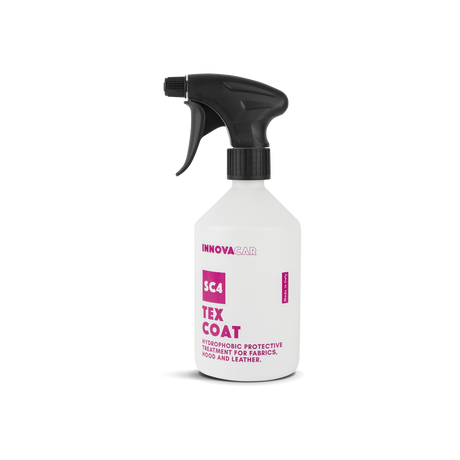


INNOVACAR
"SC4" Tex Coat Textilversieglung
Textil- an Léiderimprégnatioun mat laangfristeger Wierkung


Dr. Wack "A1"
A1 Cabrio "Verdeck-Imprägnierer" Textilimprägnierung
Proofing spray for fabric soft tops – stays breathable, not sealed

SONAX
PROFILINE FabricCoating Textilimprägnierung
FabricCoating — Textilimprägnierung fir Cabrio & Innenausstattung
Plastikscherma richt unno Material, Owerfläch an Belastung vum Bauteel. Net lackéiert Austeile an Scheinwerferplastik verlegen ënnerschiedlech Freigabber an Preparatiounen. D'Auswahl folgt dem respektive Schënsystem; eng glänzend Dressing an eng aushärte Beschéitzung sinn keng austauschbar Produkter.

SONAX
PROFILINE CeramicCoating "CC" HeadlightCoating Scheinwerferversiegelung
Laanglafeche Scheinwerferverséiglung mat UV-Schutz fir kloer Sicht


GYEON
Q² Trim EVO Ceramic Trim Restorer & Protectant Keramikversiegelung fir Plastik
Keramik-Plastikpfleg – dauerhaft tüppeschwarz ouni ze vergraaien

Meguiars
KEEP CLEAR Headlight Coating Scheinwerferversiegelung
Scheinwerferversieglung UV-Schutz, 4 oz (118 ml)

SONAX
PROFILINE CeramicCoating "CC" Plastic+Rubber Kunststoffversiegelung
Laangzäit-Kunststoffversieglung mat UV-Schutz fir Außenbereecher


CarPro
C.QUARTZ "BlackOut" Tyre & Rubber Coating Reifen- & Gummiversiegelung
Ultimativen Reifen- & Gummischutz dank Polysiloxan-Technologie


SONAX
XTREME Ceramic Plastik-Versiegelung
Keramesch Kunststoff-Verséiglung — Si-Carbon-Schutz 3 Méinoden
Motorraumschutz ergänzt d'Reinigke vun dert fir autoriséierte Bautele mat enger passender Konserverung. Plastik, Metall an Kéiw stellen ënnerschiedlech Ufuerderunge un d'Applikatioun an d'Materialverträglichkeet. D'Auswahl berücksichtegt den Iwwendungsort an d'Temperaturbelastung; Riemmen, elektresch Anschléier an aner Funktionsbereeche bleiwen separat Prüfpoente.
Koch-Chemie
Motorplast "Mp" Motorkonserverung
Silikonfreie Motorconservateur mat Daimler-Werksnorm

Meguiars
Motorepfleg fir en perfekte Finish

Meguiars
Motorepfleg fir en perfekte Finish
Folien- an PPF-Schutz ergänzt d'Pfleg vun geeignende Faarfouelen an transparente Lackschutzfolien. D'Folienkonstruktioun, déi scho existéierend Beschéitlung an de wëllte Glanzgrad bestëmmen dat passendt Produkt. D'Vorbereitung an d'Systemfreigab gehéieren dozou; eng Versieglung soll d'vorgesinn e Auschong vun der Folie erhalen.
Koch-Chemie
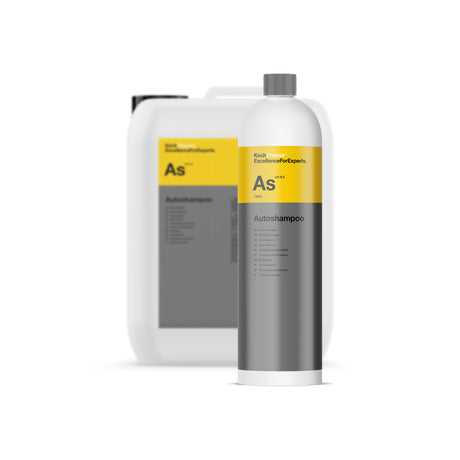
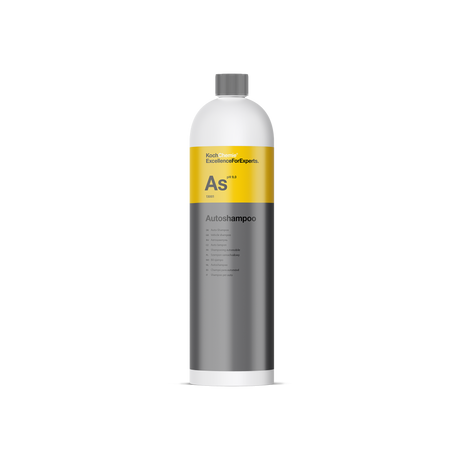
Auto-Shampoo "As" Auto-Shampoo
Réinëgt géierlech an schonend, erhalt de Glanz vun der Lakoberfläch
Koch-Chemie
Ceramic Effect Shampoo "Ces" Pflegeshampoo mat en Effekt vun laangfristeger Versieglung
Pflege-Shampoo mat SiO₂-Verséiglung fir coating-kompatibel Handwäsch
Koch-Chemie
Reaktivierungs-Shampoo "Rs" Auto-Shampoo fir Keramikversieglung
Revolutionary cleaning and protection for ceramic coated vehicles!
Koch-Chemie
Rapid Rinseless Wash "Rrw" Woschen ouni Ofspéile
Schnell Wäsch ofen Lack schonnend ouni Ofspéile
Koch-Chemie × THE FINISHER
THE FINISHER "MagicShampoo" Pflegeshampoo
Pflegend Glanzshampoo mat Versieglungseffekt


INNOVACAR
"DS" Scale Anti-Kalk Auto-Shampoo
Effektivt Anti-Kalk Auto-Shampoo fir perfekt Fahrzeugpflee
GYEON
pH-neutral Auto-Shampoo fir Coatings an Wox

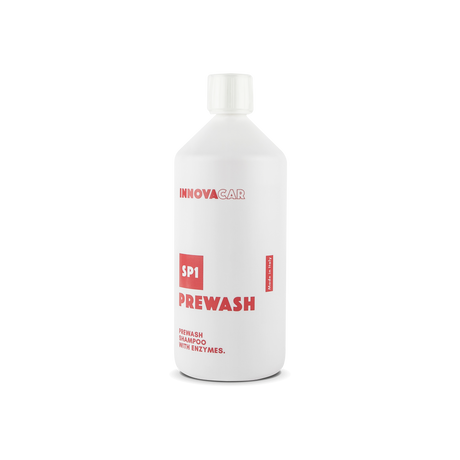


INNOVACAR
"SP1" Prewash Vorwäsch Auto-Champou
Effektivt Vörwäsch-Shampoo fir eng ëmmen Autosuerg


TUGA Chemie
pH-neutralt Auto-Shampoo-Konzentrat mat Litschi-Duft, LSP-sicher


Koch-Chemie
Nano-Magic-Shampoo "Nms" Nano-Shampoo
High-Tech Shampoo mat Nano-Versieglung fir maximalen Lackschutz
Koch-Chemie
Glanzwokschampo "Gw" Auto-Champo mat Versieglung
Auto-Shampoo fir Glanz an Schutz mat integréierter Versieglung

SONAX
XTREME FoamGiant Shampoo Auto-Shampoo
FoamGiant — pH-neutral, gigantesche Schaumtepp, foliensicher

What does protecting a car involve? Each surface needs its own protection: paint, wheels, glass, leather, fabric, plastics, engine bay and film. Clean first, then let the protection cure. Each surface has its own renewal schedule, from weeks to years.
Car paint protection goes on after cleaning and, where needed, polishing: wax, sealant, coating or fabric protectant forms a protective layer on the clean surface, limiting the effects of dirt, water, salt and sunlight. It preserves the condition you start with. Under Protection, you’ll find products for eight surface groups, organised by material rather than brand.
Detailing1’s tip from the shop: We get asked whether a wet-applied paint sealant can also go on a fabric convertible roof. That needs a fabric and convertible roof protectant. The rule behind this applies to every spray: check where the mist will land. Coatings and spray sealants belong on approved surfaces, rather than the headlights, seals or matte film alongside them. Put the product on a cloth instead of spraying the car, and mask sensitive areas.
A protective layer repairs nothing. It preserves the surface exactly as it was when applied, including its gloss and any swirls, water spots or oxidation underneath.
That makes preparation the bigger part of the job. SONAX describes the ideal paint surface before protection as having very low surface roughness, no scratches and high reflectivity. Seal over wash marks and you’ll see them under a glossy layer for the life of the sealant. That’s why Protection follows Cleaning and Polishing and comes before Maintenance.
The same three rules apply across all eight surface groups. First, clean and correct where needed. Second, work only on materials approved by the product manufacturer. Third, every form of protection wears away and needs renewing, at very different intervals. The individual category pages explain each rule for their surface; the rules themselves stay the same.
The layer is what separates protection from maintenance. Protection builds a layer that lasts from weeks to years, depending on the surface, and survives multiple washes. Maintenance follows use: a quick detailer after washing, for example. The two work together. Maintenance products compatible with the existing protection help it last longer rather than stripping it away.
Check the paint under light at a shallow angle to decide whether to polish before sealing. The calendar won’t tell you. If you see swirls or holograms, correct them first: a sealant locks them in. If the paint is clear, washing, decontamination and degreasing are enough. On your first go, allow more time for preparation than application. That’s part of the process.
A car can carry up to five types of protection side by side: sacrificial layers, reactive coatings, film, fabric protectants and preservative treatments. Every surface needs at least one of these.
A sacrificial layer sits on top. Waxes, polymer sealants, spray sealants and wet-applied sealants take the hit on behalf of the surface until they wear out. In everyday terms, the layer intercepts bird droppings, salt and traffic film so the clear coat doesn’t have to. Water behaviour helps you spot an intact layer: beading forms round droplets; sheeting lets water run off as a continuous film. For the durability of each family, see Paint protection.
A reactive coating, usually called a coating or ceramic coating, cures with moisture in the air and, according to Koch-Chemie, bonds to the surface through a chemical reaction. Think of it as an ultra-thin glaze that sets on the surface. You put more into preparation and get a much longer service life than a sacrificial layer. Coatings are available for paint, wheels and plastics; paint versions are under Ceramic coatings.
Paint protection film, or PPF, is a physical polyurethane barrier that absorbs mechanical impacts no chemical treatment can stop. Fabric protectants work on textiles, convertible roofs and sometimes leather. They make the fibres harder to wet, so water beads instead of soaking in. In use, that means water-repellent rather than waterproof.
The fifth type covers preservation and protection against contact wear. In the engine bay, Koch-Chemie Motorplast "Mp" leaves a permanently elastic, water-displacing film after cleaning. On leather, a protective sealant reduces abrasion and soiling. Anti-fog treatment for interior glass is a special case: outside, you want water to bead; inside, condensation should spread into a clear film rather than scatter your view through tiny droplets.
Choose protection around the most sensitive material the product can reach. A claim such as “for all exterior surfaces” isn’t the same as tested approval for each one.
A test by AUTO BILD and KÜS of ten spray sealants showed how much this can matter. It included compatibility with polycarbonate at 80 °C over 24 hours: the plastic used for modern headlights. Three products left deep craters despite being advertised for all exterior surfaces. The finding applies to those sprays and shows why manufacturer approval carries more weight than the wording on the bottle.
Matte surfaces are the next check. Avery Dennison warns that even its own sealant can leave slight streaks on matte film, while waxes and polishes can change the gloss level of matte paint. Identify the leather type before protecting it. COLOURLOCK recommends testing every product on a hidden area first. For more detail, see Leather & synthetic leather and Film and PPF protection.
Headlights also come with a legal limit in Germany. The ADAC relays guidance from the Federal Ministry of Transport: weathered headlight lenses must not be restored by sanding, polishing and sealing; replacement is recommended. A headlight sealant protects an intact lens rather than repairing a weathered one. You’ll find it under Plastics, alongside coatings to help prevent trim fading.
Approval matters in the engine bay too. Our Motorplast "Mp" product description expressly excludes drive belts, brake components and bodywork paint. The same principle applies to the other surfaces, each with its own material requirements: wheels need heat resistance (Wheel and tyre protection), exterior glass repels water while interior glass needs anti-fog treatment (Glass protection), and the engine bay gets a preservative treatment (Engine bay).
The sequence across the car is wash, decontaminate, polish if needed, degrease, protect exterior surfaces and allow them to cure. Then tackle the interior and engine bay in separate stages.
Start with washing and decontamination. Koch-Chemie specifies this sequence for Ceramic Body "Cb0.01" paint coating: alkaline pre-wash, pre-treatment of tar and resin, polishing according to condition, then degreasing. Degreasing removes polish carriers and oils so the coating bonds to the paint rather than an oily film. Find the right products under Paint preparation.
On the outside, treat paint, wheels, glass and plastics with a product made for each surface. For sprays, follow the tip above. Work in the shade on cool surfaces. In heise’s long-term test, a polymer sealant dried too quickly in the sun and became harder to buff off. The manufacturer specifically recommended working in the shade.
Then leave the chemistry to do its thing. Koch-Chemie says Ceramic Body "Cb0.01" is weather-resistant after 24 hours; wait at least nine days before the first wash. Below 15 °C, curing takes longer. Weather-resistant doesn’t mean fully cured. Schedule a coating job ahead of a few dry days, rather than your next trip through the car wash.
Inside, move on to leather and fabric with doors open and ventilation. SONAX recommends leaving the doors open for about 30 minutes after using its interior fabric protectant. Treat the engine bay separately: clean it first, then spray a thin layer of Motorplast onto the still-wet surface. Our product description gives six to eight hours for the film to cross-link. Use a wash area with an oil separator or a self-service wash bay.
How often you top up depends on the surface and the wear it sees. Manufacturer guidance within this range spans a few weeks to several years.
On paint, the protection type sets the schedule. Koch-Chemie Protector-Wax "Pw" is a wet-applied sealant that goes onto wet paint after each wash. Our product description says regular use builds up layers. If you prefer working on dry paint, choose Koch-Chemie Spray Sealant "S0.02", which has verified customer reviews on Trusted Shops. Koch-Chemie quotes up to 36 months for Ceramic Body "Cb0.01".
A long-term glass test puts durability into everyday terms. glossboss used Soft99 Ultra Glaco for twelve months, 16,000 kilometres and 14 washes. It was still performing adequately afterwards. Water initially ran off from about 60 km/h; a year later, that took 80 to 90 km/h. The test noted streaking in the wiper area at night as a drawback. Interior glass has a different schedule: anti-fog protection is measured in weeks.
Inside, renewal follows use. COLOURLOCK recommends topping up heavily used leather every three months, for example when exposed to sun, heated seats and frequent use. Normally used surfaces need attention every six to twelve months. COLOURLOCK "Leather Shield" reduces abrasion on steering wheels, entry areas and seat bolsters, according to our product description. For seats, carpets and mats, there’s Koch-Chemie × COLOURLOCK Allround Textile Sealant "St0.01".
Wheels and plastics sit between these extremes. GYEON quotes 18 months or 45,000 kilometres for Q² Rim EVO wheel coating, with heat resistance up to 800 °C. For Q² Trim EVO plastic coating, it gives up to 36 months or 50,000 kilometres. These are all manufacturer figures. A water test on the surface tells you more reliably than the calendar whether a layer is still working.
No sealant or coating protects paint against stone chips. On any protective layer, the main defence against mineral spots is to stop water drying on the car after washing or rain.
Layer thickness explains the first limit. Gtechniq quotes about 1 µm for its coatings and about 150 µm for paint protection film: roughly 150 times as thick. A coating makes paint smoother and easier to clean; film is built to take gravel impacts at motorway speeds. XPEL also describes light scratches in its film healing with heat.
Mineral deposits are the second limit. The water-spot guide on pflumm.de says the damage comes from minerals left behind, rather than water itself: first deposits, then etching, down to craters that need polishing or repainting. This happens on coatings and film as well as bare paint. The guide’s most effective countermeasure costs no product: dry the car after washing and rain, before droplets bake on in the sun.
Two more limits belong here. Fabric protectant makes textiles water-repellent; it won’t repair a leaking convertible roof with a damaged waterproof membrane. According to reifen.com, tyre shine is mainly cosmetic and belongs only on the sidewall, never on the tread. Reports differ on how well protection survives automatic car washes. The manufacturer’s care instructions are the reliable reference here.
If time is tight and your car lives outside, a wet-applied sealant with each wash is enough, plus glass and leather protection as needed. With a dry weekend and a covered parking space, a coating project for paint, wheels and plastics, including its curing window, makes sense. Worried about stone chips? Combine the two: film on the front, sealant on the rest.
Before winter, check every surface. The ADAC recommends washing the car before the first snow and caring for it with polish and wax, as moisture, cold and road salt can seriously attack the paint. Give rubber seals a rubber care treatment too, to prevent them freezing shut.
Once you’ve protected the car, check which surfaces you actually covered. Wheels, glass, plastics, leather and the convertible roof each run on their own schedule. Paint is just one of eight surface groups. A note with a date for each is enough to base the next job on what’s due rather than a hunch.
Zu viel Auswahl? Lass dir bei Schützen helfen:
Detailing1 bei Google als bevorzugte Quelle hinzufügenAuto versiegelen heisst, all Fläch no der Reinem mat enger passender Schutzschicht ze verschéieren, déi Schmutz, Waasser, Salz an Sonne bremst. Dozu ginn acht Fläch: Lack, Felgen an Reifen, Scheiber, Lieder, Textil an Cabrioverdeck, Kunststoff, Motorraum an Folie. All huet seng eegen Schutzart, fir de Lack ass Lackversiegelung erkläert.
Zuerst woschen, dekontaminéieren an bei Bedarf poléieren, dann entfette an ussen Lack, Felgen, Glas an Kunststoff schützen. Dann kommen Lieder an Textil am Innestou mat ufen Türen, de Motorraum gëtt als eegenen Durchgang behandelt. En Lack-Coating wéi de Koch-Chemie Ceramic Body "Cb0.01" ass laut Hersteller erst no 24 Stonnen wetterfest.
Géig Steinschlag hëlleft nëmmen eng Lackschutzfolie, eng Keramikversiegelung erléichtert vir allem d'Reinigung an bremst chemesch Angrëffer. Gtechniq nennt fir Coatings eng Schichtdick vu roung 1 µm, fir Folie roung 150 µm. Sinnvoll ass d'Kombinatioun aus Folie un der Front an Versiegelung op dem Rescht, méi dozou un Folien- an PPF-Schutz.
Dat hänkt vun der Fläch, dem Zäitbudget an dem Stellplatz of, net vun engem Testsieger. Wéi wenig Zäit huet, nimt eng Nassversiegelung wéi de Koch-Chemie Protector-Wax "Pw", déi no all Wäsch matlief. Wéi eng trocken Wochenend huet, setzt op eng Coating fir Lack, Felgen an Kunststoff. Scheiber, Lieder an Textil brauchen eegen, dofir freigeeben Produkter.
Nëmmen wann de Lack Swirls, Hologrammen oder matt Fläch weist, denn all Versiegelung schléisst dës Feeler fir hir ganz Standzäit ein. SONAX beschreift de Idealzoustand vir dem Schützen als Lack ouni Kratzer an mat héijer Reflexion. Ass de Lack am Streiflicht klärent, rächen Wäsche, Dekontamination an Entfette. D'Korrektur fänds du un Polieren.
Sou oft, wéi déi respektiv Fläch et verlangt, denn eng gemeesamt Rhythmus fir dat ganz Auto gëtt et net. Eng Antibeschlag-Spray fir den Innestou hält laut AUTO ZEITUNG roung vier Wochen, stark benotzt Lieder laut COLOURLOCK ungefär dräi Méin, d'Felgenversiegelung GYEON Q² Rim EVO laut Hersteller 18 Méin. De Lack prüefts du mat dem Waasser-Test.
Daniel von Detailing1 |

Daniel von Detailing1 |

Daniel von Detailing1 |

Daniel von Detailing1 |

Daniel von Detailing1 |

Daniel von Detailing1 |

Daniel von Detailing1 |

Daniel von Detailing1 |

Daniel von Detailing1 |

Daniel von Detailing1 |

Daniel von Detailing1 |

Daniel von Detailing1 |


