

Caricamento in corso...
19,97€
Contenuto: 1000mlPrezzo unitario (19,97€
/ l)
Non disponibile
di cui 3,33€ di IVA (20%), più spedizione, calcolata al momento del pagamento
GYEON Q²M TireCleaner Detergente pneumatici - 1000 ml / 1 liter ...è stato ordinato al fornitore e verrà spedito non appena sarà di nuovo disponibile.
0 disponibili a magazzino
— Al momento esaurito
Articolo aggiunto al carrello.
Visualizza carrello
Metodi di pagamento accettati
Schnellbestellung
| GYEONQ²M TireCleaner Detergente pneumatici 1000 ml / 1 liter |
19,97€
Contenuto: 1000mlPrezzo unitario (19,97€
/ l)
Non disponibile
|
Ausverkauft | |
| GYEONQ²M TireCleaner Detergente pneumatici 500ml |
12,20€
Contenuto: 500mlPrezzo unitario (24,40€
/ l)
Non disponibile
|
Ausverkauft | |
| GYEONQ²M TireCleaner Detergente pneumatici 4 liters |
53,24€
Contenuto: 4000mlPrezzo unitario (13,31€
/ l)
Non disponibile
|
Ausverkauft |
Pulizia di fondo alcalina per spalla pronta al coating
Pulizia di fondo alcalina per spalla pronta al coating
Domande e aiuto
Domande e aiuto
Hai domande o ti serve aiuto?
Siamo sicuri che la nostra pagina di aiuto ti sarà utile. Lì trovi come contattarci e le risposte alle domande più frequenti.
Non hai trovato quello che cercavi? Scrivici in chat.
Spedizione e consegna
Spedizione e consegna
Spedizione internazionale rapida nel tuo paese con FedEx, DPD o il tuo servizio postale nazionale, tempi di consegna 1-4 giorni. I prezzi includono l'IVA del tuo paese.
Tutti i metodi di spedizione, le tariffe e le fasce di peso sono nella nostra politica di spedizione.
Ritiro in negozio
Ritiro in negozio
Negozio di cura auto a Nordhorn
Perché aspettare, se si può fare in fretta? Ordina online da noi i tuoi prodotti per la cura dell'auto e scegli il comodo ritiro o la nostra consegna lampo, in zona o in tutta Europa. Puntiamo a darti la massima flessibilità e comodità, perché la tua auto resti sempre in gran forma.
Il tuo ordine lo puoi ritirare sempre dal martedì al venerdì, dalle 10:00 alle 17:00, da Detailing1 in Bosinks Kamp 8, 48531 Nordhorn. Tieni a portata di mano la conferma di ritiro. Ti aspettiamo!
Non è stato possibile caricare la disponibilità per il ritiro
Staccare vecchi dressing e antiozonanti dalla gomma
Cos'è il GYEON Q²M TireCleaner? Un detergente pneumatici alcalino che stacca vecchi dressing, sporco della strada e antiozonanti fuoriusciti dal fianco in gomma e prepara il pneumatico per una nuova cura o un tyre coating. Non adatto a cerchi in lega, superfici verniciate o al semplice annerimento senza dressing dopo.
GYEON Q²M TireCleaner è un detergente pneumatici alcalino di GYEON che stacca chimicamente la protezione gomma fuoriuscita e i vecchi strati di cura dal fianco poroso. La formula alcalina (pH intorno a 12) spacca gli oli siliconici e le cere dei dressing più comuni e allo stesso tempo scioglie gli antiozonanti bruno-gialli che la gomma trasuda in superficie come protezione UV.
Quello che ti resta è un fondo senza residui su cui un dressing o un tyre coating come il GYEON Q² TireExpress aggrappa in modo uniforme — senza aloni, senza macchie e senza che la nuova cura si stacchi di nuovo dopo qualche giorno.

- Scioglie l'alone bruno invece di coprirlo. La patina giallo-bruna sui pneumatici trascurati non è sporco, è antiozonante — una cera che la gomma trasuda per proteggersi dai UV. Un dressing la copre soltanto e si stacca insieme a lei. Il TireCleaner la tira via chimicamente, così il tuo prossimo dressing sta davvero sulla gomma.
- La pulizia di fondo prima di ogni tyre coating. Ogni produttore di tyre coating dà per scontato che il fianco sia senza residui. Gli oli siliconici dei dressing scadenti e i depositi stradali induriti bloccano il legame covalente delle molecole del coating. Senza una preparazione pulita, un coating a due cifre tiene poche settimane invece dei mesi promessi.
- Adatto a tutte le gomme dei pneumatici più comuni. Estivi, invernali, quattro stagioni, SUV, moto — finché è gomma nera, regge il TireCleaner. Non adatto: pneumatici a fianco bianco, cerchi verniciati nell'area di spruzzo, passaruota in plastica dritti nella traiettoria. Coprili prima o neutralizza subito.
Quello che vediamo ogni giorno: sempre PRIMA del detergente cerchi. Se fai il cerchio per primo, il detergente cerchi cola sul pneumatico — e ti neutralizza una parte dell'azione alcalina. L'ordine: pre-pulire i pneumatici, pulire i cerchi, risciacquare tutto insieme, asciugare, e solo dopo fare dressing o coating. Lavora su un pneumatico tiepido, mai sotto il sole pieno — altrimenti il prodotto secca e lascia aloni che togli solo con un secondo passaggio.
Pneumatico asciutto. 60 secondi. Spazzola a chiudere.
Spruzza il TireCleaner sul pneumatico asciutto e tiepido — abbondante, finché il fianco è visibilmente bagnato e il prodotto schiuma un po'. La schiuma è normale e ti dice che la reazione alcalina con i tensioattivi e i vecchi residui di cura è partita.
Dopo circa un minuto di posa, una spazzola per pneumatici prende in mano il lavoro meccanico. Lavora con movimenti circolari su tutto il fianco, compresa la zona stretta tra pneumatico e bordo cerchio — è lì che si incrosta lo sporco indurito. La chimica da sola stacca il film di superficie; la spazzola tira fuori il materiale sciolto dai pori della gomma, dove gli antiozonanti si sono depositati per diversi mesi.
Poi risciacqua con un getto d'acqua forte finché l'acqua scorre pulita. Lascia sgocciolare il pneumatico 2-3 minuti — solo quando il fianco sembra grigio scuro opaco invece di lucido-bagnato la superficie è pronta per il tuo dressing o coating. Lucido-bagnato vuol dire acqua ferma nei pori, e quella ti diluisce poi ogni dressing.
Un errore comune: tempi di posa più lunghi non puliscono più a fondo. Dopo circa 1-2 minuti la reazione è finita, dopodiché il prodotto secca e basta. Se un pneumatico è molto trascurato, un secondo passaggio breve batte sempre un primo passaggio lungo — proprio come con il detergente cerchi.

Dressing e antiozonanti li stacca. Il catrame no.
Le cure pneumatici a base di olio siliconico, i dressing cerosi e gli antiozonanti fuoriusciti sono il campo del TireCleaner — qui lavora affidabile e senza residui. Il pH alcalino spacca i legami tra olio di cura e gomma senza rendere fragile la gomma stessa. È questa la differenza chiave rispetto ai detergenti a solvente, che i dressing li staccano anche loro, ma nel farlo tirano via i plastificanti dalla gomma.
Come seconda applicazione, il TireCleaner ha dato prova di sé ogni giorno anche sui passaruota in plastica dove restano vecchi aloni di dressing. Una spruzzata veloce, lo lavori con una spazzola morbida, risciacqui subito — e la plastica poi riprende pulita un dressing per plastica. Importante: sulla plastica lascia agire solo per pochi secondi, non minuti.
Dove il TireCleaner non è il prodotto giusto: catrame incrostato, schizzi di bitume e residui d'asfalto non reagiscono con gli alcali. Per quello ti serve un tar remover a base di solvente, che applichi in modo localizzato e non su tutto il pneumatico. Anche i pneumatici a fianco bianco sono da evitare — la mescola bianca reagisce ai detergenti alcalini con un ingiallimento che non si torna più indietro.
Se cerchi il semplice annerimento senza cura dopo, sei fuori strada anche qui. Un TireCleaner pulisce — non fa il dressing. Dopo la pulizia il pneumatico sembra opaco e un po' grigiastro, perché lo strato di cura sciolto è andato. È voluto, ma è solo il primo passo. Se vuoi sicurezza e durata nel tempo, abbina TireCleaner e tyre coating. Se vuoi nero lucido veloce e non pensi a coatare a lungo termine, basta un semplice dressing pneumatici dopo la pulizia.

La pulizia di fondo prima del coating
Il TireCleaner non è un prodotto di cura del weekend, è una pulizia di fondo. Lo prendi quando un pneumatico è stato trascurato a lungo, quando monti un nuovo sistema di dressing o quando vuoi applicare un tyre coating come il GYEON Q² TireExpress. Per il normale lavaggio auto ogni due settimane basta e avanza uno shampoo standard più un dressing fresco.
Dà il meglio come preparazione per un tyre coating. Ogni coating aggrappa in modo affidabile solo se il fianco in gomma è aperto. L'olio siliconico dei prodotti precedenti sigilla i pori e blocca il legame covalente. Il TireCleaner apre quello strato chimicamente e rende il pneumatico pronto per il coating. Molti saltano questo passaggio, poi si stupiscono se un coating costoso è sparito dopo 3 settimane invece dei 12 mesi promessi.
Come soluzione completa abbini il TireCleaner a una cura pneumatici o a un tyre coating. La sequenza pulita è: pulire a fondo i pneumatici con TireCleaner, trattare i cerchi a parte con un detergente cerchi, lavare l'auto, asciugarla a pelle, poi applicare dressing o coating. Con un coating, metti in conto 24 ore di indurimento prima di rimettere l'auto in strada — altrimenti stacchi di nuovo lo strato non ancora indurito alla prima pioggia.
Per il portafoglio il conto è questo: un flacone da 500 ml di TireCleaner basta per circa 80-120 pulizie di fondo pneumatico a seconda della larghezza. Con 4 pneumatici per auto, sono 20-30 pulizie di fondo per auto. Se pulisci a fondo l'auto 2 volte l'anno e per il resto la curi normalmente, un flacone dura diversi anni — o copre una stagione di 6 mesi con circa un'auto a settimana.

Perché il GYEON Q²M TireCleaner è il nostro standard
Da Detailing1 abbiamo usato più detergenti pneumatici alcalini in parallelo — di Koch Chemie, Sonax e GYEON. Il Q²M TireCleaner si è rivelato il compromesso più affidabile tra potere pulente, tolleranza della gomma e resa. La formula è abbastanza aggressiva da staccare gli antiozonanti fuoriusciti in un passaggio, ma non così aggressiva da indurire la gomma per sempre.
Sono soprattutto i clienti che arrivano dal mondo coating GYEON ad apprezzare la coerenza di sistema. Il TireCleaner fa parte di un sistema pneumatici GYEON studiato insieme — detergente di fondo, dressing e coating — i tre prodotti lavorano insieme chimicamente e non lasciano incompatibilità, come capitano più spesso mescolando marche diverse. Chi applica il Q² TireExpress o il Q²M TireBlack ottiene la migliore aderenza con il TireCleaner come preparazione.
L'errore più comune che vediamo: il TireCleaner usato sotto il sole pieno o su pneumatici caldi dopo un tratto di autostrada. Entrambe le cose riducono drasticamente l'effetto, perché il prodotto secca prima di poter reagire. Il pneumatico DEVE essere tiepido o più freddo. Se vuoi pulire subito dopo un viaggio lungo, aspetta almeno 30 minuti o raffredda i pneumatici con l'acqua prima di prendere il TireCleaner.
Una volta che l'hai interiorizzato — pneumatico freddo, posa breve, spazzola come supporto, secondo passaggio sullo sporco pesante — lavori più pulito per sempre e allunghi allo stesso tempo la durata di ogni dressing e coating che applichi dopo. Il TireCleaner non è un prodotto di bellezza, è una fondamenta. Tutto quello che viene dopo tiene finché la base era pulita.
Dubbi su GYEON Q²M TireCleaner Detergente pneumatici? Fatti spiegare:
Aggiungi Detailing1 come fonte preferita su GoogleFrequently Asked Questions about GYEON Q²M TireCleaner
What is GYEON Q²M TireCleaner?
GYEON Q²M TireCleaner is an alkaline tire cleaner from the GYEON Q²M maintenance line. Its formula breaks down silicone oil and wax components from old dressings and dissolves the brownish-yellow antiozonants that the rubber sweats to the surface for UV protection. The result is a coating-ready sidewall—the foundation for any dressing and any tire coating like the GYEON Q² TireExpress.
How is TireCleaner applied?
Spray generously onto dry, lukewarm tires until the sidewall is visibly wet. Allow to dwell for about 1 minute, then work in with a stiff tire brush in circular motions—including the area between the tire and the rim flange. Rinse off with a strong stream of water and allow to drip dry for 2 to 3 minutes. Only when the sidewall looks matte dark grey instead of glossy wet is it ready for dressing or coating.
What is the difference from an all-purpose cleaner?
An all-purpose cleaner is formulated for painted surfaces and leaves rubber-specific residues untouched. Caked-on silicone dressings and migrated antiozonants sit deep in the rubber pores—they can only be removed with an alkaline formula that works on rubber without making the mixture brittle. For a tire without a dressing history, APC is sufficient. However, if silicone-based tire care has been used, you won't be able to remove the separating film without TireCleaner.
Is TireCleaner compatible with all tire and paint surfaces?
Suitable for black tire rubber—summer, winter, all-season, SUV, motorcycle. Not suitable for white wall tires, painted aluminum rims, or rubber seals with prolonged exposure. The alkaline pH value can dissolve clear coat and irreversibly yellow white tire compounds. If the product gets on the rim or paint, rinse immediately with water. Order of application in practice: first tires, then rim cleaner, rinse everything together.
What is the most common mistake when applying?
TireCleaner is often used in direct sunlight or on hot tires after a highway drive. Both drastically reduce its effectiveness because the product dries before it can react—resulting in visible streaks and white edges. The tire must be dry and lukewarm. After highway drives, wait at least 30 minutes or cool the tires with water before using TireCleaner.
How economical is TireCleaner and how often should it be applied?
A 500 ml bottle is sufficient for approximately 80 to 120 tire basic cleanings, depending on tire width—which means about 20 to 30 vehicles. TireCleaner is not a weekly product, but a basic cleaning: 2 to 4 applications per year are sufficient—at seasonal changes, before a tire coating, and when the sidewall visibly turns brown. In between, use shampoo plus fresh dressing. Shelf-stable for 24 months unopened.
Chiedi a noi. Daniel ti aiuta.
Application of GYEON Q²M TireCleaner
Basic Cleaning before Dressing and Coating
Spray the TireCleaner undiluted onto the dry, lukewarm tire — generously, until the entire sidewall is visibly wetted and the product slightly foams. Wet tires dilute the formula and weaken the reaction; hot tires after highway driving will cause the product to dry before it can take effect. After driving, wait at least 30 minutes or cool the tires with water.
After about 1 minute of dwell time, a stiff tire brush performs the mechanical work. Work in circular motions over the entire sidewall, including the narrow zone between the tire and the rim flange — this is where most of the ingrained dirt is located. The chemicals dissolve the surface film, and the brush removes residues from the rubber pores. Longer dwell time does not lead to deeper cleaning, because the reaction is complete after 1 to 2 minutes.
Rinse thoroughly with a strong jet of water from top to bottom until the water runs clear. Then let it drip dry for 2 to 3 minutes — only when the sidewall looks matte dark grey instead of glossy wet is the surface ready for absorption. For heavily neglected tires, a second short pass is always more effective than an extended dwell time on the first. Finally, apply a dressing or a tire coating such as the GYEON Q² TireExpress.
Order in practice: first, thoroughly clean the tires with TireCleaner, then clean the rims separately, wash the vehicle, dry it — and only then dress or coat. If you clean the rim first, rim cleaner will run over the tire and neutralize part of the alkaline effect. For coating, allow 24 hours for curing before the vehicle is exposed to rain again.
Notes: TireCleaner does not react with baked-on tar or bitumen — for this, you need a solvent-based tar remover that you spray locally, not over the entire tire. Whitewall tires are a no-go; the white compound will irreversibly yellow with alkaline cleaners. Do not work in direct sunlight or at temperatures above 25 °C, otherwise the product will dry and leave streaks. Wear protective gloves and eye protection; in case of skin or eye contact, rinse with clear water. Store in a dark, frost-free place between 5 and 25 °C, unopened shelf life of at least 24 months. Store spray bottle with the head facing upwards to prevent the pump mechanism from clogging.
Informazioni di sicurezza per GYEON Q²M TireCleaner Detergente pneumatici
Consentito ai privati
Questo prodotto, contrassegnato come «Consentito ai privati», è imballato, dichiarato, registrato e certificato per i privati secondo la legislazione tedesca. Rispetta le indicazioni di pericolo e i consigli di prudenza.
Pericolo

Corrosivo
| Può essere corrosivo per i metalli. | H290 |
| Provoca gravi ustioni cutanee e gravi lesioni oculari. | H314 |
| In caso di consultazione di un medico, tenere a disposizione il contenitore o l'etichetta del prodotto. | P101 |
| Tenere fuori dalla portata dei bambini. | P102 |
| Non respirare la polvere/i fumi/i gas/la nebbia/i vapori/gli aerosol. | P260 |
| Indossare guanti/indumenti protettivi/proteggere gli occhi/proteggere il viso. | P280 |
| IN CASO DI CONTATTO CON LA PELLE (o con i capelli): togliersi di dosso immediatamente tutti gli indumenti contaminati. Sciacquare la pelle [o fare una doccia]. | P303+P361+P353 |
| IN CASO DI CONTATTO CON GLI OCCHI: sciacquare accuratamente per parecchi minuti. Togliere le eventuali lenti a contatto se è agevole farlo. Continuare a sciacquare. | P305+P351+P338 |
Download
Scarica la scheda di dati di sicurezza
Queste informazioni sul prodotto hanno solo valore di consulenza non vincolante. Non ne deriva alcuna responsabilità da parte nostra. Verifica che il prodotto sia adatto al tuo impiego. Prima dell’uso verifica idoneità e compatibilità. Siamo a tua disposizione per una consulenza.
Domande su queste informazioni?
Di più su GYEON
Di più su GYEON
Contatti
Gyeon Deutschland GmbH
Vietorstr. 87, 51103 Köln, Deutschland
+4922128585880
info@gyeon.de
gyeon.de
Specifiche
Specifiche
Ausführung
-
Inhalt1 liter
-
ArtikelnummerD1-GYEON-Q2MTC1000
-
EAN8809432674726
-
HerstellernummerQ2MTC1000
-
Gewicht1 kg
Eigenschaften
-
Einsatzbereich am FahrzeugRäder
Produkt
-
Hersteller
-
ProdukttypDetergente pneumatici
-
Kategorie
Garanzia legale
Garanzia legale
Pagamento e spedizione
💳 Pagamento sicuro
Scegli tra tanti metodi di pagamento come PayPal, Klarna, Apple Pay, Mastercard o Visa e approfitta del pagamento posticipato o a rate. I tuoi dati di pagamento vengono sempre elaborati in modo sicuro. Domande sul pagamento?
📦 Spedizione veloce
Il tuo ordine ti raggiunge in 1-4 giorni con FedEx, DPD o il tuo servizio postale nazionale. I prezzi includono l'IVA del tuo paese. Domande sulla spedizione?
Approfondisci nella guida
Visualizza tutto

Scopri GYEON
Visualizza tutto-
 New
NewGYEON
Spazzola per pelle Q²M LeatherBrush
5,54€Contenuto: 1 pezzoPrezzo unitario (5,54€ / pezzo)Non disponibile -


GYEON
Q²M WetCoat sigillante a umido
GYEON Q²M WetCoat – sigillante SiO₂ sul bagnato, appena lavata l'auto
Disponibilità ridotta (3× 1000 ml / 1 liter · 2× 500ml · 1× 4 liters)Da 18,85€Contenuto: 500mlPrezzo unitario (37,70€ / l)Non disponibile -


GYEON
Q²M TireApplicator applicatore per pneumatici per la cura gomme
In esaurimento (2× Large (60x100 mm) / 2 pieces)Da 6,66€Contenuto: 2 pezziPrezzo unitario (3,33€ / pezzo)Non disponibile -

GYEON
Q²M TireBrush spazzola per pneumatici
Disponibile (13 unità)4,44€Contenuto: 1 pezzoPrezzo unitario (4,44€ / pezzo)Non disponibile -


GYEON
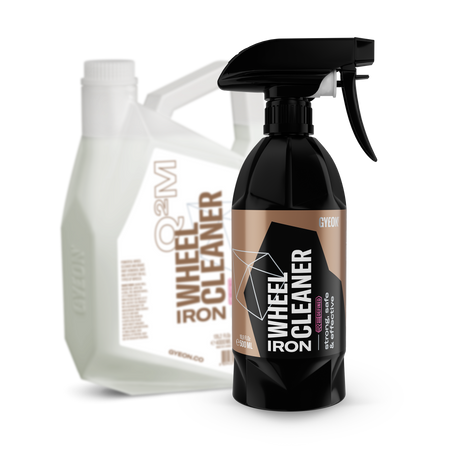
Q²M Iron WheelCleaner (REDEFINED) Pulitore cerchi
Detergente cerchi reattivo – scioglie polvere freni e ferro
Disponibilità ridotta (1× 1000 ml / 1 liter · 3× 500ml)Da 15,53€Contenuto: 500mlPrezzo unitario (31,06€ / l)Non disponibile -


GYEON
Q²M Prep Sgrassatore a Base Alcolica
Sgrassante IPA – preparazione finale senza residui prima del coating
Disponibile (4× 1000 ml / 1 liter · 6× 500ml)Da 17,75€Contenuto: 500mlPrezzo unitario (35,50€ / l)Non disponibile -


GYEON
Rimuovi insetti – scioglie gli insetti secchi senza graffiare
Disponibilità ridotta (2× 1000 ml / 1 liter · 2× 500ml)Da 14,42€Contenuto: 500mlPrezzo unitario (28,84€ / l)Non disponibile -


GYEON
Rimuovi calcare acido con olio vettore per coating ceramici
Da 16,64€Contenuto: 500mlPrezzo unitario (33,28€ / l)Non disponibile -

 New
NewGYEON
Q²M SilkDryer EVO "Twisted Loop" panno asciugatura (530 GSM)
In esaurimento (2× 1 piece / 50x55 cm / Blue / GYEON-BLUE)Da 24,41€Contenuto: 1 pezzoPrezzo unitario (24,41€ / pezzo)Non disponibile -


GYEON
Shampoo auto pH-neutral per coating e cere
In esaurimento (1× 1000 ml / 1 liter)Da 17,75€Contenuto: 500mlPrezzo unitario (35,50€ / l)Non disponibile -


GYEON
Q²M Glass+ (Plus) detergente vetri con sealant
Detergente vetri con sigillante – pulisce e protegge in un passaggio
In esaurimento (1× 1000 ml / 1 liter · 2× 500ml)Da 19,97€Contenuto: 500mlPrezzo unitario (39,94€ / l)Non disponibile -


GYEON
Q²M TireCleaner Detergente pneumatici
Pulizia di fondo alcalina per spalla pronta al coating
Da 12,20€Contenuto: 500mlPrezzo unitario (24,40€ / l)Non disponibile


Detailing101
Visualizza tutto-

Sigillante per vernice o cera: 5 casi che decidono prima dell'inverno
Daniel von Detailing1 |
-

Vernice opaca e pellicola opaca: come lavarle e curarle nel modo giusto
Daniel von Detailing1 |
-

Togliere la resina secca dalla vernice dell'auto: prima sciogliere, poi sigillare
Daniel von Detailing1 |
-

Macchie d'acqua secche sull'auto: acido o polish?
Daniel von Detailing1 |
-

Togliere gli adesivi dall'auto: il gesto giusto contro i residui di colla
Daniel von Detailing1 |
-

Clay bar sull'auto: quando la vernice ne ha bisogno prima dell'inverno
Daniel von Detailing1 |
-

Asciugare l'auto: 5 miti che lasciano macchie d'acqua sulla vernice
Daniel von Detailing1 |
-

Conservare le gomme nel modo giusto: perché il cerchio va pulito prima
Daniel von Detailing1 |
-

5 errori nella pulizia dei passaruota che rovinano il bordo
Jasper von Detailing1 |
-

Cura le guarnizioni delle portiere prima che la prima notte di gelo le blocchi
Daniel von Detailing1 |
-

Rimuovere la polvere dei freni incrostata prima che arrivi il sale
Daniel von Detailing1 |
-

5 zone del cerchio che richiedono ognuna una spazzola diversa
Jasper von Detailing1 |