

Caricamento in corso...
14,96€
16,63€
Contenuto: 1000mlPrezzo unitario (14,96€
/ l)
Non disponibile
di cui 2,49€ di IVA (20%), più spedizione, calcolata al momento del pagamento
Koch-Chemie Gentle Snow Foam "Gsf" schiuma di prelavaggio - 1000 ml / 1 liter ...è stato ordinato al fornitore e verrà spedito non appena sarà di nuovo disponibile.
26 disponibili a magazzino
— Pronto per la spedizione immediata, tempi di consegna 1-4 giorni
Articolo aggiunto al carrello.
Visualizza carrello
Metodi di pagamento accettati
Schnellbestellung
| Koch-ChemieGentle Snow Foam "Gsf" schiuma di prelavaggio 1000 ml / 1 liter Disponibile (26 unità)
|
14,96€
Contenuto: 1000mlPrezzo unitario (14,96€
/ l)
Non disponibile
|
||
| Koch-ChemieGentle Snow Foam "Gsf" schiuma di prelavaggio 2x 1000ml Disponibile (13 unità)
|
32,59€
Contenuto: 2000mlPrezzo unitario (16,30€
/ l)
Non disponibile
|
||
| Koch-ChemieGentle Snow Foam "Gsf" schiuma di prelavaggio 3x 1000ml Disponibile (8 unità)
|
48,38€
Contenuto: 3000mlPrezzo unitario (16,13€
/ l)
Non disponibile
|
||
| Koch-ChemieGentle Snow Foam "Gsf" schiuma di prelavaggio 5 liters In esaurimento (1 unità)
|
61,55€
Contenuto: 5lPrezzo unitario (12,31€
/ l)
Non disponibile
|
Schiuma pre-lavaggio pH-neutral per la cura settimanale della vernice
Schiuma pre-lavaggio pH-neutral per la cura settimanale della vernice
Domande e aiuto
Domande e aiuto
Hai domande o ti serve aiuto?
Siamo sicuri che la nostra pagina di aiuto ti sarà utile. Lì trovi come contattarci e le risposte alle domande più frequenti.
Non hai trovato quello che cercavi? Scrivici in chat.
Spedizione e consegna
Spedizione e consegna
Spedizione internazionale rapida nel tuo paese con FedEx, DPD o il tuo servizio postale nazionale, tempi di consegna 1-4 giorni. I prezzi includono l'IVA del tuo paese.
Tutti i metodi di spedizione, le tariffe e le fasce di peso sono nella nostra politica di spedizione.
Ritiro in negozio
Ritiro in negozio
Negozio di cura auto a Nordhorn
Perché aspettare, se si può fare in fretta? Ordina online da noi i tuoi prodotti per la cura dell'auto e scegli il comodo ritiro o la nostra consegna lampo, in zona o in tutta Europa. Puntiamo a darti la massima flessibilità e comodità, perché la tua auto resti sempre in gran forma.
Il tuo ordine lo puoi ritirare sempre dal martedì al venerdì, dalle 10:00 alle 17:00, da Detailing1 in Bosinks Kamp 8, 48531 Nordhorn. Tieni a portata di mano la conferma di ritiro. Ti aspettiamo!
Non è stato possibile caricare la disponibilità per il ritiro

14,96€
16,63€
Contenuto: 1000mlPrezzo unitario (14,96€
/ l)
Non disponibile
Prelavaggio a pH neutro con la Koch-Chemie Gentle Snow Foam
Cos'è la Koch-Chemie Gentle Snow Foam? Una schiuma detergente a pH neutro per il prelavaggio senza contatto, che posa una schiuma densa con lunga tenuta sulla vernice — sicura su cere e protezioni. Non è la scelta per insetti incrostati o catrame, lì ci vuole un detergente attivo.
Koch-Chemie Gentle Snow Foam è una schiuma di prelavaggio a pH neutro di Koch-Chemie, prodotta a Unna, che lavora a un pH intorno a 7,5 e che applichi con la lancia schiumogena o lo spruzzatore a schiuma. Il tappeto di schiuma denso ammorbidisce con delicatezza polvere stradale e polline prima del lavaggio a mano — senza intaccare gli strati di cera o i coating ceramici. È questo che rende il Gsf lo standard per la cura settimanale.

- pH neutro, intorno a 7,5. Non intacca né la cera di carnauba né le protezioni polimeriche o ceramiche. Puoi passare il Gsf ogni settimana senza perdere tenuta su un GYEON Q² MOHS o un Koch-Chemie 1K Nano — a differenza delle schiume attive a pH 11 o più.
- Tappeto di schiuma denso, lunga tenuta. A 1:50 nella lancia schiumogena ottieni una schiuma cremosa che resta aggrappata 4–6 minuti sulle superfici verticali invece di colare subito. Quel tempo di posa basta a legare le particelle libere e portarle via al risciacquo — è tutto il senso del prelavaggio.
- Rende tanto e fa doppio servizio. Con 20 ml di dosaggio, 1 litro copre circa 50 prelavaggi — intorno a 0,26 € a passata. Lo puoi usare anche come shampoo da lavaggio a mano: 50 ml in 10 litri d'acqua nel secchio, fatto.
Quello che vediamo ogni giorno — Detailing1: La consistenza della schiuma dipende da quanta acqua c'è nella lancia, non da quanto prodotto. Se butti dentro più Gsf ma usi poca acqua, ti ritrovi una schiuma liquida invece di un tappeto cremoso. Regola pratica: riempi il contenitore di miscela per due terzi con acqua tiepida, poi dosa 20 ml per litro. Con acqua dolce sotto 8 °dH alza un po' il dosaggio, con acqua dura dai 14 °dH abbassalo — altrimenti viene una schiuma collosa, faticosa da sciacquare.
E lavora sempre su vernice bagnata e prerisciacquata. Vernice asciutta vuol dire che la schiuma sfrega i granelli di sabbia nel materiale — l'errore da principiante più comune.
Lancia schiumogena, 20 ml, lascia colare la schiuma
Il Gsf lo passi sull'auto bagnata e prerisciacquata — mai su vernice asciutta, altrimenti trascini la sabbia sulla superficie durante il risciacquo. Prima togli lo sporco grosso, gli insetti e gli escrementi d'uccello con l'idropulitrice. Un breve prerisciacquo ad acqua pulita costa 30 secondi e salva il trasparente da micrograffi inutili.
Nella lancia schiumogena vanno 20 ml di Gsf per 1 litro d'acqua, circa 1:50. Applica la schiuma dal basso verso l'alto, così le colature non tracciano righe pulite nello sporco. Lascia agire 4–6 minuti, meno al sole — la schiuma non deve asciugarsi, altrimenti lascia aloni.
Poi risciacqua a fondo dall'alto verso il basso con acqua pulita. Schiuma rimasta nei giochi della carrozzeria è segno di troppa poca pressione o di un risciacquo troppo corto. Quello che resta sulla vernice dopo è compito della fase shampoo auto del lavaggio two-bucket. Il prelavaggio non sostituisce lo shampoo, riduce solo la quantità di particelle nel guanto.
Se non hai una lancia schiumogena sull'idropulitrice, puoi passare il Gsf con uno spruzzatore a pompa — lì però la schiuma viene molto più piatta e tiene meno. Per il lavaggio a secchio a mano dosi 50 ml in 10 litri d'acqua, circa due pompate da un flacone. La schiuma basta comodamente per un'auto di media taglia, dalle dimensioni di una Golf su fino alla Classe E.

pH neutro vuol dire: il tuo coating resta
La differenza più importante rispetto alle schiume di prelavaggio attive come il Koch-Chemie Green Star è il pH. Il Gsf sta a 7,5, il Green Star intorno a 11. Su una vernice non protetta non cambia nulla, su una protezione ceramica sì.
Studi e prove sul campo lo dimostrano: i detergenti fortemente alcalini oltre pH 10 consumano lo strato di finitura delle protezioni ceramiche in modo misurabilmente più rapido. Se vuoi tirare fuori 12 o 24 mesi di tenuta dalla tua protezione, con un lavaggio settimanale a pH neutro vai meglio. Il Gsf è fatto proprio per questo — cura nel tempo invece di una pulizia profonda una tantum. L'effetto idrofobo della protezione resta intatto, l'acqua perla dopo il lavaggio come il primo giorno.
Dove il Gsf trova i suoi limiti: insetti incrostati sul frontale, macchie di catrame sul sottoporta, polvere dei freni sui cerchi o polline indurito — questo non lo stacca. Per quello prendi i prodotti specifici — smacchiatore insetti, smacchiatore catrame o pulitore cerchi.
Se l'auto è molto sporca e vuoi trasformare il Gsf in una schiuma attiva, aggiungi 10–30 ml di Green Star per 1 litro di miscela di schiuma pronta nella lancia. Questo alza il pH e dà più mordente alla schiuma — ma su auto protette solo come eccezione, non come routine settimanale.

Per auto protette e limiti onesti
Il Gsf è per chi lava con regolarità e ha un'auto protetta o cerata. La logica è semplice: pulire spesso e con delicatezza invece di raramente e in modo aggressivo. Se fai del lavaggio una routine settimanale fissa, col Gsf arrivi più lontano.
Meno adatto è per le officine, le auto stagionali dopo un lungo fermo o le grandi pulizie di primavera dopo l'inverno — lì le schiume attive con pH più alto hanno la meglio, perché lo sporco è ormai ben oltre quello che il Gsf riesce a sciogliere. E chi non ha una lancia schiumogena ma solo uno spruzzatore a pressione, col Gsf la schiuma la fa, ma mai con la consistenza e la tenuta di una vera lancia sull'idropulitrice. In quel caso conviene di più un preparato di prelavaggio a spruzzo.
Il flacone da 1 litro basta per circa 50 lavaggi, la tanica da 5 litri per 250. Chi cura più di un'auto o lavora in uno studio di detailing, con la confezione da 5 litri spende circa il 30 percento in meno a lavaggio. Abbinalo a uno shampoo a pH neutro come il Koch-Chemie Nanomagic Shampoo o il GYEON Q² Bathe+ per il lavaggio two-bucket, e a un panno di asciugatura per finire, e hai tutto il workflow settimanale per un'auto curata — dal primo getto d'acqua all'ultima goccia, senza mai intaccare la tua protezione.
Il caratteristico profumo di ciliegia è questione di gusti, ma divide di rado — la maggior parte dei detailer lo trova ben più gradevole dell'odore saponoso standard di tanti prodotti concorrenti. In garage chiusi o box di lavaggio l'odore non resta dopo il risciacquo, un dettaglio comodo nell'uso quotidiano.
Chi usa il Gsf per la prima volta non dovrebbe dosare troppo poco. 20 ml per litro sono il minimo per uno strato di schiuma visibile. Su auto molto sporche o con acqua di rubinetto dura puoi metterne una pompata in più. I 4–5 centesimi di costo in più a lavaggio non valgono un risultato più debole.
Lo stesso vale per la pressione dell'acqua all'idropulitrice: sotto i 100 bar la struttura della schiuma resta sottile, dai 130 bar diventa cremosa e sta bella piena sulla vernice. Chi lavora con un Kärcher K7 o un apparecchio simile può spingere la lancia al massimo flusso di schiuma. Con le idropulitrici portatili a batteria la schiuma viene sensibilmente più piatta — non è un difetto del prodotto, solo una questione di pressione.
Un consiglio in più da quello che vediamo in Detailing1: prima di ogni lavaggio di stagione in primavera e in autunno, sostituisci il Gsf con un lavaggio a schiuma attiva con il Green Star. Così non si fissa nessun film di polline né sale invernale, quello che la schiuma a pH neutro alla lunga non stacca più. Le altre 50 settimane dell'anno il Gsf va da standard.
Chi porta avanti questa routine come si deve ha perle d'acqua visibili anche su un coating di 5 anni — ed è proprio questo il senso della cura a pH neutro: conservare quello che hai invece di rifare la protezione di continuo. La voce più cara di un budget detailing è sempre la protezione stessa, non lo shampoo. Col Gsf allunghi la vita del coating — con costi correnti minimi e massima compatibilità.

Dubbi su Koch-Chemie Gentle Snow Foam "Gsf" schiuma di prelavaggio? Fatti spiegare:
Aggiungi Detailing1 come fonte preferita su GoogleFrequently Asked Questions about Koch-Chemie Gentle Snow Foam
What is Koch-Chemie Gentle Snow Foam?
Gentle Snow Foam (Gsf) is a pH-neutral pre-wash foam from Koch-Chemie in Unna. When applied with a foam lance, it creates a dense, creamy foam blanket that dissolves loose road dust and pollen without attacking wax layers or ceramic sealants. The pH value is around 7.5. Its characteristic feature is the cherry scent.
How do I dilute Gsf in the foam lance?
For pre-washing, dose 20 ml of Gsf per 1 liter of water in the mixing container of the foam lance, which corresponds to approximately 1:50. With very soft water below 8 °dH, increase slightly; with hard water above 14 °dH, rather reduce. For hand washing shampoo, use 50 ml per 10 liters of water in a bucket. A 1-liter bottle lasts for around 50 pre-washes with standard dosing.
What is the difference between Gsf and Green Star?
Gsf is pH-neutral (around 7.5) and intended for weekly maintenance on sealed vehicles. Green Star is alkaline (around pH 11) and cleans significantly more powerfully — but it attacks ceramic coatings over time. Both can be combined: 10–30 ml of Green Star added to the ready Gsf foam mixture transforms the pH-neutral foam into an active foam.
Does Gsf attack ceramic sealants or wax?
No. Gsf with a pH of 7.5 is neutral and therefore compatible with carnauba wax, polymer sealants, and ceramic coatings like GYEON Q² MOHS or Koch-Chemie 1K Nano. Strongly alkaline cleaners above pH 10 measurably degrade the topcoat layer of ceramic sealants faster — Gsf does not. This makes it the standard product for weekly care without coating wear.
What happens if the foam dries on the paint?
Dried Gsf leaves visible streaks that can only be removed with a second wash. At temperatures above 20 °C or in direct sunlight, let it dwell significantly shorter than the usual 4–6 minutes. In summer, always work in the shade and cool the vehicle with clear water before applying the foam. If you want to be extra safe, wash the body panel by panel instead of completely.
How economical is Gsf in practice?
The 1-liter bottle, with a 20 ml dosage, lasts for about 50 pre-washes — approximately €0.26 per application at the current selling price. The 5-liter canister lasts for about 250 washes and is about 30 percent cheaper per application. It's worth it if you maintain more than one vehicle, work in a detailing studio, or make washing a fixed weekly routine.
Chiedi a noi. Daniel ti aiuta.
Application of Koch-Chemie Gentle Snow Foam
Pre-wash with foam lance in four steps
First, thoroughly wet the vehicle with a high-pressure cleaner and rinse off coarse dirt, loose insects, and bird droppings. Vehicles left directly in the sun should be cooled with clear water beforehand—hot paint will cause the foam to dry before it can work effectively.
Mix 20 ml of Gsf with 1 liter of water in the foam lance's mixing container—for a 1-liter lance, this is approximately two pump fills. Fill two-thirds of the container with warm tap water, then add the Gsf and close the lid. Shake lightly before screwing on the lance to mix the foam and water.
Apply foam to the wet vehicle from bottom to top. Start with the wheels and sills, then doors and hood, and finally the roof. This prevents foam streaks from running onto areas that have already dried. After an exposure time of 4–6 minutes in shade and at moderate temperatures, or 2–3 minutes in warm weather, rinse thoroughly from top to bottom with clear water. This is followed by a two-bucket wash with pH-neutral shampoo—the pre-wash only reduces the particle load, it does not replace shampoo.
For hand washing, mix 50 ml of Gsf with 10 liters of water in a bucket and use a wash mitt with the two-bucket method. For particularly dirty vehicles, 10–30 ml of Green Star can be added per liter of finished foam mixture in the lance—the foam then becomes an active foam with a higher pH value. This combination is not intended for weekly routine on sealed vehicles, but for heavily soiled seasonal washes or workshop vehicles.
Notes: Only apply Gsf to already wet paint surfaces, never to dry paint—otherwise loose sand particles will be rubbed into the material and can cause micro-scratches. In direct sunlight or air temperatures above 25 °C, always work in the shade and clean panel by panel, otherwise the foam will dry and leave streaks. Gsf does not remove baked-on insects, tar spots, or brake dust—specialized products such as insect or tar removers and acid-free wheel cleaners are responsible for these. Store in a cool, frost-free place between 5 and 30 °C, unopened for 24 months, use within 12 months after opening. Wear protective gloves when handling the concentrate and avoid eye contact—see safety data sheet.
Informazioni di sicurezza per Koch-Chemie Gentle Snow Foam "Gsf" schiuma di prelavaggio
Consentito ai privati
Questo prodotto, contrassegnato come «Consentito ai privati», è imballato, dichiarato, registrato e certificato per i privati secondo la legislazione tedesca. Rispetta le indicazioni di pericolo e i consigli di prudenza.
Composizione del materiale
Acido solforico, mono-C12-14-alchil esteri, sali di monosodio (CAS 85586-07-8, CE 287-809-4) — 5 – < 10 %, 1-propanamminio, 3-ammino-N-(carbossimetil)-N,N-dimetil-, N-C8-18-acil derivati, idrossidi, sali interni (CAS 97862-59-4, CE 931-296-8) — 1 – < 2,5 %, D-glucopiranoside, oligomero, C10-16 (numero pari)-alchilglicosidi (CAS 110615-47-9, CE 600-975-8) — 1 – < 2,5 %, Miscela di: mono-D-glucopiranoside di 2-etilesile, di-D-glucopiranoside di 2-etilesile (CAS 108081-06-7, CE 414-420-0) — 1 – < 2,5 %, Benzaldeide (CAS 100-52-7, CE 202-860-4) — 0,1 – < 0,5 %, 1,2-benzisotiazol-3(2H)-one (CAS 2634-33-5, CE 220-120-9) — 0,0036 – < 0,036 %, Cinnamaldeide (CAS 104-55-2, CE 203-213-9) — 0,001 – < 0,01 %, Piridin-2-tiol 1-ossido, sale di sodio (CAS 3811-73-2, CE 223-296-5) — 0,001 – < 0,01 % e Regolamento (CE) n. 648/2004 sui detergenti: uguale o superiore al 5 % ma inferiore al 15 % di tensioattivi anionici, inferiore al 5 % di tensioattivi non ionici, di tensioattivi anfoteri, di fosfonati, profumo, BENZALDEHYDE, COUMARIN, BENZISOTHIAZOLINONE, LAURYLAMINE DIPROPYLENEDIAMINE, SODIUM PYRITHIONE
Pericolo

Corrosivo
| Provoca gravi lesioni oculari. | H318 |
| In caso di consultazione di un medico, tenere a disposizione il contenitore o l'etichetta del prodotto. | P101 |
| Tenere fuori dalla portata dei bambini. | P102 |
| Indossare guanti/indumenti protettivi/proteggere gli occhi/proteggere il viso. | P280 |
| IN CASO DI CONTATTO CON GLI OCCHI: sciacquare accuratamente per parecchi minuti. Togliere le eventuali lenti a contatto se è agevole farlo. Continuare a sciacquare. | P305+P351+P338 |
| Contattare immediatamente un CENTRO ANTIVELENI/un medico. | P310 |
| L'esposizione ripetuta può provocare secchezza o screpolature della pelle. | EUH066 |
| Contiene 1,2-benzisotiazol-3(2H)-one, Cinnamaldeide. Può provocare una reazione allergica. | EUH208 |
Contenuto di COV
< 0.5 % — quota di composti organici volatili.
Download
Scarica la scheda di dati di sicurezza
Queste informazioni sul prodotto hanno solo valore di consulenza non vincolante. Non ne deriva alcuna responsabilità da parte nostra. Verifica che il prodotto sia adatto al tuo impiego. Prima dell’uso verifica idoneità e compatibilità. Siamo a tua disposizione per una consulenza.
Domande su queste informazioni?
Di più su Koch-Chemie
Di più su Koch-Chemie
Contatti
Koch‑Chemie GmbH
Einsteinstr. 42, 59423 Unna, Deutschland
+492303986700
info@koch-chemie.com
koch-chemie.com
Specifiche
Specifiche
Ausführung
-
Inhalt1000 ml
-
ArtikelnummerD1-KCX-383001
-
EAN4260188686861
-
Herstellernummer383001
-
Gewicht1,13 kg
Eigenschaften
-
Einsatzbereich am FahrzeugAußen
Produkt
-
Hersteller
-
ProdukttypSnow Foam
-
Kategorie
Garanzia legale
Garanzia legale
Pagamento e spedizione
💳 Pagamento sicuro
Scegli tra tanti metodi di pagamento come PayPal, Klarna, Apple Pay, Mastercard o Visa e approfitta del pagamento posticipato o a rate. I tuoi dati di pagamento vengono sempre elaborati in modo sicuro. Domande sul pagamento?
📦 Spedizione veloce
Il tuo ordine ti raggiunge in 1-4 giorni con FedEx, DPD o il tuo servizio postale nazionale. I prezzi includono l'IVA del tuo paese. Domande sulla spedizione?
Approfondisci nella guida
Visualizza tutto

 Lavare bene l'auto senza swirl
Lavare bene l'auto senza swirl
Daniel von Detailing1 |


Scopri Koch-Chemie
Visualizza tutto
Koch-Chemie
Scopri tutto di Koch-Chemie-
Koch-Chemie
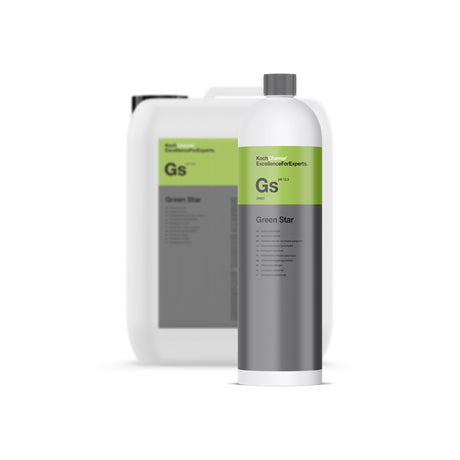
Green Star "Gs" Detergente Universale
APC concentrato fortemente alcalino per officina, motore e ponte
Disponibile (16× 1000 ml / 1 liter · 1× 5 liters · 1× 11kg)Preordine (22kg)Da 7,75€Contenuto: 1000mlPrezzo unitario (7,75€ / l)Non disponibile -


Koch-Chemie
Testina spray "Star" (28/400) CHS-3AN di Canyon
Testina spray per chimici, per flaconi 28/400, ugello regolabile
Disponibile (116 unità)5,53€Contenuto: 1 pezzoPrezzo unitario (5,53€ / pezzo)Non disponibile -
Koch-Chemie
Top Star "Ts" Cura Plastiche Interni
Cura plastiche senza silicone, con protezione UV e finitura satinata
Disponibile (40× 1000 ml / 1 liter · 1× 10 liters)Da 19,40€21,06€Contenuto: 1000mlPrezzo unitario (19,40€ / l)Non disponibile -
Koch-Chemie
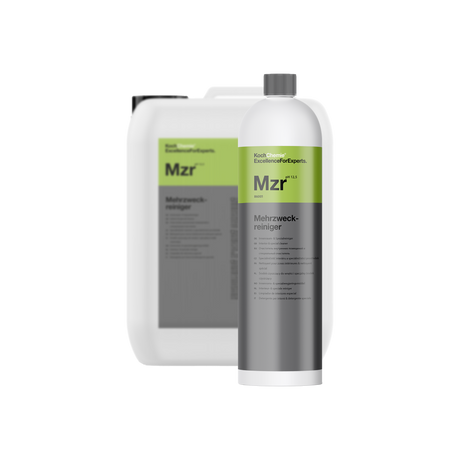
Detergente Multiuso "Mzr" Detergente Universale
Detergente concentrato alcalino a pH 12,5 con approvazione Daimler
Disponibile (39× 1000 ml / 1 liter · 1× 11kg · 1× 21kg)Da 9,97€Contenuto: 1000mlPrezzo unitario (9,97€ / l)Non disponibile -
Koch-Chemie
Vorreiniger B "Vb" Pre-detergente
Pre-lavaggio alcalino per auto e camion, conforme VDA
Disponibile (47× 1000 ml / 1 liter · 6× 5kg · 2× 11kg)Preordine (22kg)Da 7,75€Contenuto: 1000mlPrezzo unitario (7,75€ / l)Non disponibile -
Koch-Chemie
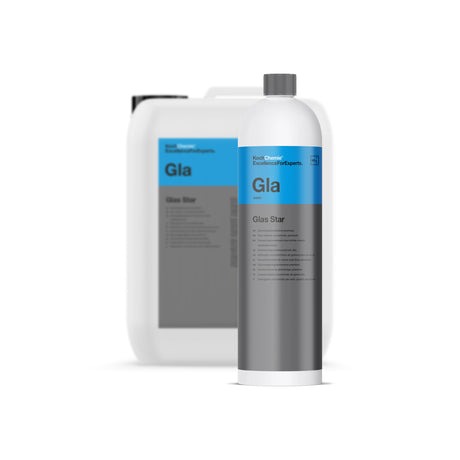
Glas Star "Gla" Detergente Vetri Concentrato
Detergente vetri concentrato a base alcolica con approvazione Daimler
Disponibile (7× 1000 ml / 1 liter · 1× 10 liters)Preordine (20 liters)Da 8,87€Contenuto: 1000mlPrezzo unitario (8,87€ / l)Non disponibile -
Koch-Chemie
Pulisce a fondo e con delicatezza, preserva il lucido della vernice
Disponibile (28× 1000 ml / 1 liter · 4× 10 liters)Preordine (21kg)Da 7,75€Contenuto: 1000mlPrezzo unitario (7,75€ / l)Non disponibile -
Koch-Chemie
Reactive Rust Remover "Rrr" anticontaminazione ferrosa
Massima potenza pulente per risultati impeccabili, senza compromessi
Disponibile (30× 500 ml · 5× 5kg)In arretrato (1× 11kg)Da 16,07€17,74€Contenuto: 500mlPrezzo unitario (32,14€ / l)Non disponibile -
Koch-Chemie
Teerwäsche A "Tea" rimuovi catrame e bitume
Rimuovi bitume e catrame per una finitura impeccabile
Disponibile (18× 1000 ml / 1 liter · 1× 10 liters)Preordine (20 liters)Da 9,97€Contenuto: 1000mlPrezzo unitario (9,97€ / l)Non disponibile -
Koch-Chemie
Leather Star "Ls" Cura della pelle
Emulsione per pelle ready-to-use con filtri UV attivi
Da 14,41€Contenuto: 1000mlPrezzo unitario (14,41€ / l)Non disponibile -
Koch-Chemie
Gummifix "Guf" cura gomma e plastica
Cura gomma e plastica senza silicone per tappetini antiscivolo
Disponibile (35× 1000 ml / 1 liter · 1× 10 liters)Da 9,97€Contenuto: 1000mlPrezzo unitario (9,97€ / l)Non disponibile -


 Acid-free
Koch-Chemie
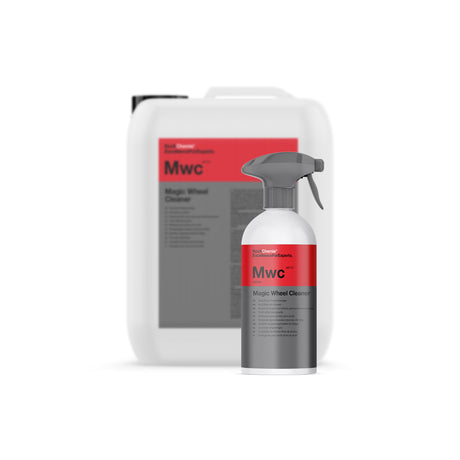
Magic Wheel Cleaner "Mwc" Pulitore cerchi
Detergente cerchi senza acidi con viraggio di colore, per l'officina
Disponibile (34× 500 ml · 1× 10 liters)Da 14,96€16,63€Contenuto: 500mlPrezzo unitario (29,92€ / l)Non disponibile








Detailing101
Visualizza tutto-

Sigillante per vernice o cera: 5 casi che decidono prima dell'inverno
Daniel von Detailing1 |
-

Vernice opaca e pellicola opaca: come lavarle e curarle nel modo giusto
Daniel von Detailing1 |
-

Togliere la resina secca dalla vernice dell'auto: prima sciogliere, poi sigillare
Daniel von Detailing1 |
-

Macchie d'acqua secche sull'auto: acido o polish?
Daniel von Detailing1 |
-

Togliere gli adesivi dall'auto: il gesto giusto contro i residui di colla
Daniel von Detailing1 |
-

Clay bar sull'auto: quando la vernice ne ha bisogno prima dell'inverno
Daniel von Detailing1 |
-

Asciugare l'auto: 5 miti che lasciano macchie d'acqua sulla vernice
Daniel von Detailing1 |
-

Conservare le gomme nel modo giusto: perché il cerchio va pulito prima
Daniel von Detailing1 |
-

5 errori nella pulizia dei passaruota che rovinano il bordo
Jasper von Detailing1 |
-

Cura le guarnizioni delle portiere prima che la prima notte di gelo le blocchi
Daniel von Detailing1 |
-

Rimuovere la polvere dei freni incrostata prima che arrivi il sale
Daniel von Detailing1 |
-

5 zone del cerchio che richiedono ognuna una spazzola diversa
Jasper von Detailing1 |