









Rimessare l'idropulitrice al riparo dal gelo prima della prima notte di gelo
Daniel von Detailing1 |


Koch-Chemie Motorplast "Mp" Conservazione motore - 500 ml ...è stato ordinato al fornitore e verrà spedito non appena sarà di nuovo disponibile.
— Pronto per la spedizione immediata, tempi di consegna 1-4 giorni
Articolo aggiunto al carrello.
Visualizza carrello

| Koch-ChemieMotorplast "Mp" Conservazione motore 500 ml Disponibile (10 unità)
|
11,09€
Contenuto: 500mlPrezzo unitario (22,18€
/ l)
Non disponibile
|
||
| Koch-ChemieMotorplast "Mp" Conservazione motore 2x500ml Disponibilità ridotta (5 unità)
|
21,72€
Contenuto: 1000mlPrezzo unitario (21,72€
/ l)
Non disponibile
|
||
| Koch-ChemieMotorplast "Mp" Conservazione motore 3x500ml In esaurimento (3 unità)
|
32,24€
Contenuto: 1500mlPrezzo unitario (21,49€
/ l)
Non disponibile
|
||
| Koch-ChemieMotorplast "Mp" Conservazione motore 5 liters Preordine
|
72,65€
Contenuto: 5lPrezzo unitario (14,53€
/ l)
Non disponibile
|
||
| Koch-ChemieMotorplast "Mp" Conservazione motore 20 liters In esaurimento (1 unità)
|
271,20€
Contenuto: 20lPrezzo unitario (13,56€
/ l)
Non disponibile
|
||
| Koch-ChemieMotorplast "Mp" Conservazione motore 200 liters Preordine
|
2.887,36€
Contenuto: 200lPrezzo unitario (14,44€
/ l)
Non disponibile
|
Ausverkauft |
Hai domande o ti serve aiuto?
Siamo sicuri che la nostra pagina di aiuto ti sarà utile. Lì trovi come contattarci e le risposte alle domande più frequenti.
Non hai trovato quello che cercavi? Scrivici in chat.
Spedizione internazionale rapida nel tuo paese con FedEx, DPD o il tuo servizio postale nazionale, tempi di consegna 1-4 giorni. I prezzi includono l'IVA del tuo paese.
Tutti i metodi di spedizione, le tariffe e le fasce di peso sono nella nostra politica di spedizione.
Negozio di cura auto a Nordhorn
Perché aspettare, se si può fare in fretta? Ordina online da noi i tuoi prodotti per la cura dell'auto e scegli il comodo ritiro o la nostra consegna lampo, in zona o in tutta Europa. Puntiamo a darti la massima flessibilità e comodità, perché la tua auto resti sempre in gran forma.
Il tuo ordine lo puoi ritirare sempre dal martedì al venerdì, dalle 10:00 alle 17:00, da Detailing1 in Bosinks Kamp 8, 48531 Nordhorn. Tieni a portata di mano la conferma di ritiro. Ti aspettiamo!
Non è stato possibile caricare la disponibilità per il ritiro

Cos’è il Koch-Chemie Motorplast? Una conservazione a base d’acqua, senza silicone, a base polimerica, per motori, ausiliari, carter e tubi in gomma, che forma una pellicola protettiva elastica in permanenza fino a 250 °C e porta l’omologazione di fabbrica Daimler (GOTIS P 00.16 – 02.0). Non adatta a cinghie di trasmissione, componenti dei freni, vernice della carrozzeria e zone di aspirazione aperte.
Koch-Chemie Motorplast „Mp“ è un conservante motore di Koch-Chemie che protegge coperture in plastica, tubi in gomma e ausiliari del vano motore da corrosione, sale antighiaccio e stress UV con una pellicola polimerica elastica in permanenza. Lo passi a nebbia con la pompetta sul vano motore prepulito e ancora bagnato: scaccia l’acqua residua e dopo 6–8 ore reticola in uno strato sottilissimo che respinge lo sporco. A differenza dei classici spray lucida-motore, il Motorplast fa a meno di gas propellente e silicone, ed è proprio questo che lo abilita all’uso in carrozzeria (niente occhi di pesce per il verniciatore) e sui modelli Mercedes-Maybach (omologazione di fabbrica ufficiale).
L’aspetto resta volutamente satinato opaco invece che lucido — la superficie mantiene il suo aspetto originale, la protezione c’è fisicamente senza che il blocco sembri appena uscito da un bagno d’olio. Dopo il trattamento il vano sembra pulito, non „ingrassato“. È la logica OEM dietro l’omologazione Daimler: non cosmetica lucida, ma protezione del materiale.

Quello che vediamo ogni giorno: L’errore più comune con il Motorplast non è metterne troppo poco, è metterne troppo. Se fai pozzanghere invece di una nebbia fine, allunghi il tempo di asciugatura ben oltre le solite 6–8 ore, il polimero indurisce in modo irregolare e lascia bordi lattiginosi o punti appiccicosi. La routine pulita: lascia raffreddare il motore fino a tiepido, prepulisci col Green Star 1:10, risciacqua con un getto d’acqua morbido, passa il Motorplast a strato sottile sul vano ancora bagnato, chiudi il cofano e lascialo agire una notte. Le pozzette residue, la mattina dopo, le tamponi con un panno in microfibra asciutto. Self-leveling — non serve farlo penetrare col pad.
Passi il Motorplast sul vano motore prepulito e ancora bagnato perché l’acqua residua porta i polimeri fin dentro le fessure più strette, prima che il prodotto stesso la respinga verso l’esterno. È tecnica da pro presa di peso dal test sulla norma di fabbrica Daimler, non uno slogan di marketing.
Prima di passarlo, lascia raffreddare il motore — tiepido è l’ideale, bollente no. Su un blocco a 130 °C di temperatura olio dopo un tratto in autostrada, la miscela acqua-glicole etere evapora di colpo e brucia i polimeri come striature nella plastica. La finestra di temperatura ufficialmente omologata è di 250 °C come temperatura del componente — vale per la pellicola indurita, non per il momento dell’applicazione.
Per una berlina media conta 50–200 ml. Lavora con parsimonia a circa 20 cm di distanza con la testina e procedi in modo sistematico da dietro in avanti — coperchio punterie, scatola fusibili, poi collettore di aspirazione, poi tubi e guarnizioni a vista. I punti scomodi li raggiungi con una pistola Cyclone o Tornador a 4–6 bar; nel garage di casa la testina in dotazione basta. Tieni la nebbia lontana dai condotti di aspirazione aperti e dai misuratori di massa d’aria — quei sensori a filo caldo reagiscono male ai depositi di polimero.
Una volta passato, chiudi il cofano e lascialo agire 6–8 ore, idealmente una notte. Test del giorno dopo: la mattina controlla se restano pozzette o gocce. Se sì, tamponale con un panno in microfibra asciutto — senza strofinare. La pellicola è self-leveling e non va distribuita meccanicamente.

Il Motorplast è omologato per i tipici materiali del vano motore: coperture in plastica PA, PP e ABS, tubi in gomma EPDM, guarnizioni e ausiliari metallici in alluminio o acciaio. Su questi substrati si forma la pellicola polimerica elastica in permanenza, che ritarda di mesi l’aggrappo dello sporco e rallenta la corrosione da sale.
I limiti netti riguardano attrito e sicurezza. Cinghie di trasmissione, cinghie trapezoidali e pulegge sono off-limits — lo strato polimerico riduce l’aderenza, la cinghia slitta e nel peggiore dei casi l’alternatore va in tilt. Per lo stesso motivo, niente sui componenti dei freni, sui fianchi del disco o sulla pedaliera. Sulla vernice della carrozzeria l’overspray lascia striature ed è comunque inutile lì — il Motorplast non è un sealant per la vernice. La nebbia che finisce su un passaruota interno o sul bordo del paraurti, la togli subito con una microfibra umida.
Se invece di prodotto ne è finito troppo nel vano e si sono formate striature lattiginose, una routine di stripping con detergente alcalino risolve: spruzza Green Star in abbondanza a 1:10, fai schiuma con un pennello da detailing morbido, risciacqua. I polimeri reticolati si spezzano sotto l’APC e la pellicola viene via senza residui. Dopodiché puoi passare una seconda mano di Motorplast, più sottile.

Il ritmo tipico del Motorplast è due volte l’anno — una in primavera dopo la stagione del sale e una in autunno prima che arrivi l’inverno. Nel mezzo basta spolverare le coperture in plastica con un panno in microfibra. I preparatori infilano il prodotto nei loro pacchetti check invernale, perché 5 minuti di lavoro comprano 6 mesi di protezione anticorrosione.
Il flacone da 500 ml è la scelta giusta per una singola auto o per gli appassionati che preparano alla primavera veicoli stagionali come cabrio o auto d’epoca. Per trattamento 50–100 ml — così il flacone ti porta attraverso più cicli stagionali. Per chi ha più auto in famiglia o per i preparatori la tanica da 5 litri conviene: prezzo al litro nettamente più basso, basta travasare in un flacone cilindrico Koch-Chemie separato con testina. I fusti da 20 e 200 litri sono varianti puramente industriali per reti di officine e catene di fornitori OEM.
Lo stoccaggio è più delicato che con molti altri prodotti di detailing: il Motorplast si conserva tra +5 °C e +25 °C, al riparo dal gelo e dal sole. Col gelo l’emulsione polimerica si decompone e il prodotto poi non si spruzza più in modo pulito. In garage o in magazzino sta bene — ma non lasciarlo svernare nel bagagliaio.
Passa il Motorplast bene una volta — vano freddo, prepulizia bagnata, nebbia sottile, cofano chiuso una notte — e ottieni un vano motore che dopo l’inverno ha lo stesso aspetto di prima. È il metro di Detailing1: non lucentezza in vetrina, ma un blocco che dopo tre inverni gira ancora come nuovo. Per la cura stagionale completa abbini il Motorplast al Green Star come prepulitore — è il workflow completo del vano motore in meno di 30 minuti per auto.

Dubbi su Koch-Chemie Motorplast "Mp" Conservazione motore? Fatti spiegare:
Aggiungi Detailing1 come fonte preferita su GoogleKoch-Chemie Motorplast "Mp" is a silicone-free, water-based engine preservative for plastic covers, rubber hoses, and components. It forms a permanently elastic polymer film up to 250 °C, has Daimler factory approval (GOTIS P 00.16 – 02.0), and is free of propellants.
Allow the engine to cool until it is lukewarm. Pre-clean with Green Star 1:10 and rinse with a gentle stream of water. Spray a thin layer of Motorplast directly into the wet engine compartment — 50 to 200 ml is sufficient per vehicle. Close the hood and allow it to penetrate for 6 to 8 hours, ideally overnight.
Classic engine shine sprays are aerosols with propellants and usually contain silicone oil, which creates a short-lived high-gloss finish. Motorplast is an aqueous polymer dispersion without silicone and without propellants, leaves a semi-matt OEM look, and is qualified for workshop application with Daimler factory approval. The durability is 3 to 8 months instead of 1 to 2 months.
Approved materials include PA, PP, and ABS plastics, EPDM rubber hoses, seals, and metal components made of aluminum or steel. Not suitable for drive belts, V-belts, brake components, and pedals — the polymer layer reduces adhesive friction. Motorplast is not functional on car paint and will leave streaks.
Puddles instead of a fine mist will extend the drying time beyond the 8-hour mark, causing the polymer to cure unevenly and leave milky edges or sticky spots. Generously spray Green Star 1:10 for stripping, lather with a soft brush, rinse — then apply a second, thinner layer.
A 500 ml spray bottle is sufficient for 2 to 10 car treatments — 50 to 100 ml for a mid-range car, up to 200 ml for a V8 or fully built SUV. Professionals recommend applying it semi-annually (spring after the salt season, autumn before winter). In between, simply dusting the plastic covers with a microfiber cloth is sufficient.
Allow the engine to cool until it is only hand-warm — boiling hot leads to streaking. Cover sensitive components such as the alternator, open intake areas, and mass airflow sensors with foil or microfiber.
Liberally spray the engine bay with Green Star in a 1:10 dilution and carefully agitate with a soft detailing brush. After 2 to 3 minutes of dwell time, rinse with a soft jet of water — no direct high-pressure spray from 20 cm distance onto sensors or control units.
Immediately afterward, spray Motorplast into the still wet engine bay. Sparingly, in a very thin layer, from about 20 cm distance. For a mid-range car, you can expect 50 to 100 ml; for V8 blocks or fully built SUVs, up to 200 ml. For hard-to-reach areas, professionals use a Cyclone or Tornador gun at 4 to 6 bar — for a hobby garage, the included spray head is sufficient.
Close the hood and allow the product to set for 6 to 8 hours, ideally overnight. The next day, check if any puddles or drops remain. If so, dab with a dry microfiber cloth — do not rub. The film is self-leveling and does not require mechanical spreading.
Notes: Do not spray on drive belts, V-belts, and pulleys — the polymer layer reduces static friction and can lead to belt slip. Also, avoid brake components, pedals, and car paint. Keep spray mist away from open mass airflow sensors and lambda sensors. In case of overdosing with milky edges, Green Star 1:10 can be used as a stripping solution. Storage is strictly frost-free between +5 and +25 °C, protect from direct sunlight — the polymer emulsion breaks down in frost. Use within 24 months after opening.
Informazioni di sicurezza per Koch-Chemie Motorplast "Mp" Conservazione motore
Consentito ai privati
Questo prodotto, contrassegnato come «Consentito ai privati», è imballato, dichiarato, registrato e certificato per i privati secondo la legislazione tedesca. Rispetta le indicazioni di pericolo e i consigli di prudenza.
Composizione del materiale
2-Butossietanolo (CAS 111-76-2, CE 203-905-0) — 1 – < 5 %, Ossirano, 2-metil-, polimero con ossirano, mono(2-propileptil)etere (CAS 166736-08-9) — 1 – < 3 %, Ottametilciclotetrasilossano (CAS 556-67-2, CE 209-136-7) — 0,01 – < 0,1 %, Bronopol (DCI) (CAS 52-51-7, CE 200-143-0) — 0,01 – < 0,1 % e 2-Ottil-2H-isotiazol-3-one (CAS 26530-20-1, CE 247-761-7) — 0,0015 – < 0,01 %
Attenzione

Nocivo
| Provoca grave irritazione oculare. | H319 |
| Può provocare una reazione allergica cutanea. | H317 |
| Nocivo per gli organismi acquatici con effetti di lunga durata. | H412 |
| In caso di consultazione di un medico, tenere a disposizione il contenitore o l'etichetta del prodotto. | P101 |
| Tenere fuori dalla portata dei bambini. | P102 |
| Evitare di respirare la polvere/i fumi/i gas/la nebbia/i vapori/gli aerosol. | P261 |
| Non disperdere nell’ambiente. | P273 |
| Indossare guanti/indumenti protettivi/proteggere gli occhi/proteggere il viso. | P280 |
| IN CASO DI CONTATTO CON GLI OCCHI: sciacquare accuratamente per parecchi minuti. Togliere le eventuali lenti a contatto se è agevole farlo. Continuare a sciacquare. | P305+P351+P338 |
| In caso di malessere, consultare un medico. | P314 |
| Smaltire il contenuto/recipiente in un impianto di smaltimento autorizzato. | P501 |
Contenuto di COV
~3.02 % — quota di composti organici volatili.
Download
Scarica la scheda di dati di sicurezza
Queste informazioni sul prodotto hanno solo valore di consulenza non vincolante. Non ne deriva alcuna responsabilità da parte nostra. Verifica che il prodotto sia adatto al tuo impiego. Prima dell’uso verifica idoneità e compatibilità. Siamo a tua disposizione per una consulenza.
Domande su queste informazioni?
Contatti
Koch‑Chemie GmbH
Einsteinstr. 42, 59423 Unna, Deutschland
+492303986700
info@koch-chemie.com
koch-chemie.com
Scegli tra tanti metodi di pagamento come PayPal, Klarna, Apple Pay, Mastercard o Visa e approfitta del pagamento posticipato o a rate. I tuoi dati di pagamento vengono sempre elaborati in modo sicuro. Domande sul pagamento?
Il tuo ordine ti raggiunge in 1-4 giorni con FedEx, DPD o il tuo servizio postale nazionale. I prezzi includono l'IVA del tuo paese. Domande sulla spedizione?


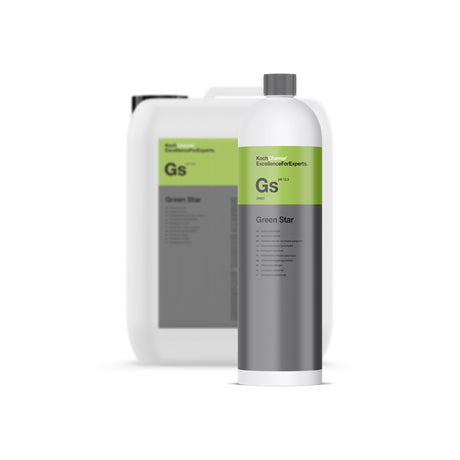
Koch-Chemie
Green Star "Gs" Detergente Universale
APC concentrato fortemente alcalino per officina, motore e ponte


Koch-Chemie
Testina spray "Star" (28/400) CHS-3AN di Canyon
Testina spray per chimici, per flaconi 28/400, ugello regolabile
Koch-Chemie
Top Star "Ts" Cura Plastiche Interni
Cura plastiche senza silicone, con protezione UV e finitura satinata
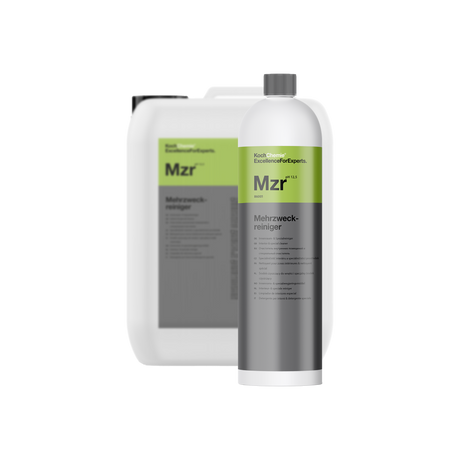
Koch-Chemie
Detergente Multiuso "Mzr" Detergente Universale
Detergente concentrato alcalino a pH 12,5 con approvazione Daimler
Koch-Chemie
Vorreiniger B "Vb" Pre-detergente
Pre-lavaggio alcalino per auto e camion, conforme VDA
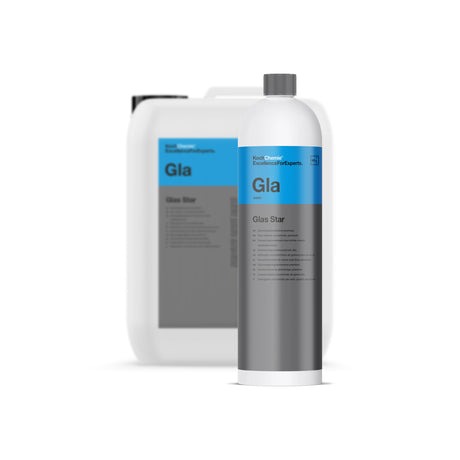
Koch-Chemie
Glas Star "Gla" Detergente Vetri Concentrato
Detergente vetri concentrato a base alcolica con approvazione Daimler
Koch-Chemie
Pulisce a fondo e con delicatezza, preserva il lucido della vernice
Koch-Chemie
Reactive Rust Remover "Rrr" anticontaminazione ferrosa
Massima potenza pulente per risultati impeccabili, senza compromessi
Koch-Chemie
Teerwäsche A "Tea" rimuovi catrame e bitume
Rimuovi bitume e catrame per una finitura impeccabile
Koch-Chemie
Leather Star "Ls" Cura della pelle
Emulsione per pelle ready-to-use con filtri UV attivi
Koch-Chemie
Gummifix "Guf" cura gomma e plastica
Cura gomma e plastica senza silicone per tappetini antiscivolo


Koch-Chemie
Magic Wheel Cleaner "Mwc" Pulitore cerchi
Detergente cerchi senza acidi con viraggio di colore, per l'officina
Daniel von Detailing1 |

Daniel von Detailing1 |

Daniel von Detailing1 |

Daniel von Detailing1 |

Daniel von Detailing1 |

Daniel von Detailing1 |

Daniel von Detailing1 |

Daniel von Detailing1 |

Daniel von Detailing1 |

Jasper von Detailing1 |

Daniel von Detailing1 |

Daniel von Detailing1 |


