













Pulire le bocchette dell'aria in auto: via la polvere da alette e fessure, senza aloni
Daniel von Detailing1 |


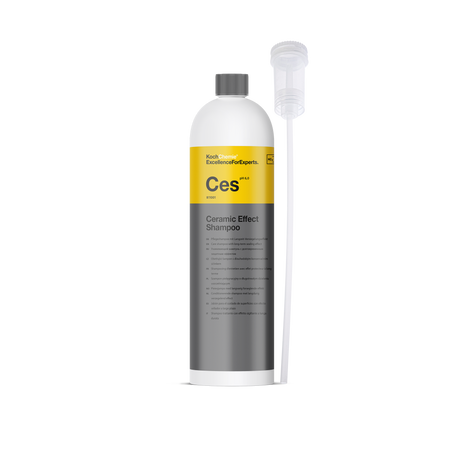
Koch-Chemie Ceramic Effect Shampoo "Ces" Shampoo di mantenimento con effetto sealant a lunga durata - 1000 ml / 1 liter ...è stato ordinato al fornitore e verrà spedito non appena sarà di nuovo disponibile.
— Pronto per la spedizione immediata, tempi di consegna 1-4 giorni
Articolo aggiunto al carrello.
Visualizza carrello

Do you have any questions or need help?
We are sure that our help page will help you. There you will find information on how to contact us and the relevant answers to frequently asked questions.
Didn't find what you were looking for? Write us a message in the chat.
Spedizione internazionale rapida nel tuo paese con FedEx, DPD o il tuo servizio postale nazionale, tempi di consegna 1-4 giorni. I prezzi includono l'IVA del tuo paese.
Tutti i metodi di spedizione, le tariffe e le fasce di peso sono nella nostra politica di spedizione.
Car Care Store in Nordhorn
Why wait when you can get it fast? Order your car care products from us online and choose between convenient pickup or our lightning-fast delivery, whether locally or throughout Europe. We are dedicated to offering you maximum flexibility and convenience so your car always stays in top condition.
You can always pick up your order from Tuesday to Friday, 10:00 to 17:00, at Bosinks Kamp 8 in 48531 Nordhorn at Detailing1. Please have your pickup confirmation ready. We look forward to your visit.
Non è stato possibile caricare la disponibilità per il ritiro
Cos'è il Koch-Chemie Ces? Uno shampoo di mantenimento a pH 6 con componente SiO₂ che in un solo passaggio pulisce e lascia un film polimerico idrofobico su vernice, vetro e plastica. Non sostituisce un vero coating ceramico, ma è un booster per auto già trattate.
Koch-Chemie Ces è uno shampoo di mantenimento con effetto sealant di Koch-Chemie di Unna, costruito su una combinazione di sistema tensioattivo delicato e componenti di cura a base di SiO₂. Mentre i tensioattivi staccano il film stradale, i resti di insetti e la polvere dei freni dalla vernice, i polimeri ricchi di silicio si depositano durante il risciacquo e formano un film protettivo sottile e fortemente idrorepellente. Il risultato è una vernice bagnata da cui l'acqua scivola via in perle fitte, e una brillantezza in profondità che uno shampoo normale non ti dà.

Quello che vediamo ogni giorno: Perdi l'effetto sealant se lasci asciugare l'auto all'aria dopo il lavaggio. Il componente SiO₂ subito dopo il risciacquo è ancora bagnato sulla vernice — gli serve la pressione meccanica di un panno asciugatura morbido per distribuirsi in modo uniforme e legare. Senza quel passaggio di passata ti ritrovi aloni d'acqua invece della brillantezza. Quindi metti in conto 5–10 minuti in più per un grande panno asciugatura in microfibra e lavora sezione per sezione.
Il Ces dà il suo risultato migliore col metodo two-bucket: secchio di lavaggio con 50 ml di Ces su 10 l d'acqua tiepida, secchio di risciacquo separato con acqua pulita, e un guanto di lavaggio in microfibra a pelo alto. Il secondo secchio tiene lo sporco fuori dal secchio di lavaggio — così proteggi la vernice dai segni di passata e ogni sezione viene lavorata con una concentrazione di schiuma pulita. Chi salta il secondo secchio si ritrova a passare più volte le particelle di sporco più grosse sulla vernice e si porta a casa gli swirl che il Ces non riesce più a livellare.
Prima dello shampoo, prelavare SEMPRE. Un'idropulitrice o la canna da giardino porta via sabbia e sale antighiaccio. Se te ne dimentichi, trascini le particelle grosse sulla vernice col guanto e ti prendi i micrograffi.
Con sporco pesante o uno strato di insetti, prima passa un prelavaggio in snow foam, altrimenti il Ces lavora oltre il suo componente di cura. Le auto con polline o sabbia sahariana secca hanno bisogno per forza di quel prelavaggio.
Lavora sempre su vernice fresca e all'ombra — non al sole, non su un cofano caldo. Altrimenti la schiuma si asciuga, lascia aloni d'acqua e l'effetto sealant si costruisce in modo irregolare. Dall'alto verso il basso, sezione per sezione, risciacqua ogni sezione singolarmente — il film polimerico si forma solo durante il risciacquo.
È la differenza chiave rispetto agli shampoo di pura pulizia: con quelli non importa quanto tempo la schiuma resta sulla vernice, col Ces il risultato sta o cade col risciacquo rapido di ogni sezione. Chi insapona tutta l'auto e risciacqua solo alla fine butta via gran parte dell'effetto sealant e si ritrova solo un risultato di pulizia standard.
Un'ultima regolazione è la temperatura dell'acqua. Acqua tiepida tra 25 e 35 °C attiva il componente SiO₂ meglio dell'acqua fredda del rubinetto, la schiuma si forma più in fretta e il film di cura lega in modo più uniforme. Con acqua gelida d'inverno la vernice dopo il lavaggio sembra pulita, ma tutto il potenziale idrofobico resta inutilizzato — meglio allora aggiungere un secchio d'acqua calda finché la miscela è tiepida al tatto.

Il Ces è la prima scelta di Detailing1 come shampoo di mantenimento per auto già trattate — non come sostituto del coating. Chi non ha mai dato un coating, col Ces ottiene comunque un effetto idrofobico reale e visibile. Chi ha già un coating ceramico allunga di qualche settimana la sua durata a ogni lavaggio, perché il componente di cura SiO₂ nutre il sealant originale invece di degradarlo.
I racconti dal campo sono forti: su vernice appena cerata o trattata, dopo il primo lavaggio arriva una brillantezza in profondità decisamente più piena, l'acqua perla in gocce da 3–5 mm. Gli acquirenti verificati su Trusted Shops segnalano spesso un effetto perlante visibile e un piacevole profumo di bacche e mandorla — per un produttore di mestiere come Koch-Chemie, una rarità.
Onesti sul limite: su vernice non cerata e non trattata l'effetto sealant tiene circa 2–4 settimane, a seconda del tempo. Con pioggia continua o sale d'inverno, anche meno. Chi vuole un coating duraturo con 12+ mesi di durata non scappa da un vero coating ceramico. Chi vuole mantenere e rinfrescare nel frattempo, col Ces va sul sicuro.
Chi ha già un coating più vecchio che pian piano si stanca, è meglio che prenda lo specializzato Koch-Chemie Reactivation Shampoo — riattiva il legame SiO₂ in modo più mirato del Ces. E chi lava l'auto subito prima di applicare un coating, il Ces non lo deve prendere: il film polimerico disturba l'aggancio del nuovo sealant. Per quello la scelta giusta è uno shampoo di preparazione neutro senza componente di cura, altrimenti il lavoro di prep è stato inutile.

Il Ces è la scelta giusta per chi lava l'auto ogni 1–2 settimane, vuole una finitura curata, ma non ha voglia di cerare o trattare di continuo. Investi 20–30 minuti a lavaggio e ti porti a casa un risultato che si avvicina sorprendentemente a una show-car lucidata a lungo — senza il passaggio del polish. Particolarmente rilevante per chi macina chilometri in città, i pendolari con posto in garage interrato e tutti quelli che hanno un'auto trattata e vogliono allungarne attivamente la durata.
Meno adatto, il Ces, a officine e preparatori dove conta la pura potenza pulente. Per quello il Koch-Chemie Aktivwäsche AW è la scelta più decisa, perché il Ces con polvere dei freni ben incrostata e strato di insetti arriva prima ai suoi limiti.
Come workflow di lavaggio completo per il target è così: prelavaggio con idropulitrice, snow foam per il prelavaggio se serve, poi lavaggio two-bucket col Ces. Dopo, togli sezione per sezione con il panno asciugatura Soft99 Max Wash — niente asciugatura all'aria.
Sulle versioni da 1L, da Detailing1 c'è in più il bundle con tappo dosatore — fa risparmiare tempo nel lavaggio settimanale e previene il sovradosaggio. È in pratica l'errore più comune col Ces: più shampoo non dà un effetto migliore, solo il doppio del consumo.
Per chi macina chilometri e per le famiglie con più auto, la tanica da 5L si ripaga dopo circa 80 lavaggi, perché lì il prezzo al litro è circa il 30% sotto il flacone da 1L. Chi lava ogni settimana ci va avanti due anni buoni e ha ammortizzato la spesa in più in mezzo anno.
Un ultimo insight Detailing1 per il target: il Ces migliora col tempo. Al primo passaggio su vernice non cerata l'effetto idrofobico è visibile ma moderato. Dal terzo o quarto lavaggio si costruisce mano dopo mano un film polimerico più denso.
All'improvviso l'acqua perla via sotto una normale pioggia estiva come se l'auto avesse appena preso uno spray sealant. È il punto in cui la maggior parte degli acquirenti passa al Ces e non lo molla più — non è un miracolo la prima volta, ma un effetto cumulativo affidabile lungo tutta la stagione.

Dubbi su Koch-Chemie Ceramic Effect Shampoo "Ces" Shampoo di mantenimento con effetto sealant a lunga durata? Fatti spiegare:
Ces is a care shampoo with a sealing effect. It combines a mild surfactant system for cleaning with SiO₂-based polymers that leave a hydrophobic protective film on paintwork, glass, and plastic during the rinsing process. The pH value is 6, making it explicitly approved for vehicles with ceramic coatings or waxes – it does not attack existing sealants.
Dilute 50 ml of Ces in 10 liters of warm water in the wash bucket (1:200) and lather briefly. Work using the two-bucket method with a second rinse bucket and a microfiber wash mitt. Always pre-rinse thoroughly, never apply to warm paintwork or in direct sunlight. Rinse section by section – the polymer film only forms during rinsing, not during foaming.
Both are care shampoos for coated vehicles, but with different focuses. Ces is the all-round shampoo with a light sealing effect for weekly washing. Koch-Chemie Reactivation Shampoo is specialized in reactivating older SiO₂ coatings specifically, instead of just applying a new care film. Rule of thumb: Fresh coating → Ces. Older, tired coating → Reactivation.
Yes, Ces is compatible with all common paint protection layers – carnauba wax, polymer wax, spray sealants, and ceramic coatings. The pH value of 6 and the mild surfactant formulation do not degrade existing protective layers but instead apply a supplementary SiO₂ care film over them. It is also compatible with glass, plastic attachments, and piano lacquer trim strips. For matte films or PPF, test in an inconspicuous area if in doubt.
On warm paintwork or in direct sunlight, the foam solution will dry before it can be rinsed off. The result: water spots, an uneven sealing effect, and residues that you'll have to re-dissolve during the next wiping step. Always work on cool, shaded paintwork – in summer heat, it's better to wash in the morning or late afternoon, not in the midday sun.
A 1000 ml bottle, with the standard 1:200 dilution, is sufficient for approximately 20 complete washes – which equates to about €1.35 product cost per wash. The 5L container is about 30% cheaper per liter and yields approximately 100 washes. Recommendation for sealant durability: Wash every 1–2 weeks; then the hydrophobic effect remains consistently visible. With longer breaks, the care film gradually degrades.
Start with a thorough pre-rinse. A high-pressure cleaner or garden hose removes loose sand, road salt, and coarse road film – these particles are the most common cause of wiping marks during washing. In case of heavy insect infestation or Saharan dust, pre-clean with a snow foam; otherwise, the CES will focus on the care component instead of cleaning.
Fill the wash bucket with 10 liters of warm water and add 50 ml of CES – this is the standard dilution of 1:200. With the dosing cap of the bundle variant, this takes 5 seconds; without a dosing cap, use a shot glass or estimate a good half bottle cap of Koch-Chemie. Briefly lather with a jet of water or a microfiber wash mitt. The second bucket contains clear water for rinsing the mitt after each section.
Always wash from top to bottom, section by section: roof, windows, hood, doors, bumpers – and finally, the dirtiest areas such as sills, lower bumper, and rims. Rinse each section individually before the foam dries. The sealing effect only occurs during the rinse cycle when the SiO₂ polymers come into contact with water and deposit on the paint.
After the last section, rinse the entire car again with clear water. Then immediately dry with a large microfiber drying towel – do not let it air dry. Without the mechanical pressure of the drying towel, the polymer film will not spread evenly, and you will lose some of the sealing effect due to water spots.
Notes: CES is a care booster, not a coating replacement – the hydrophobic effect lasts 2–4 weeks depending on the weather, after which the beading effect visibly diminishes. If you want permanent protection with 12+ months of durability, you should opt for a real ceramic coating. Do not apply to warm surfaces or in direct sunlight, otherwise water spots and drying residues will occur. CES is not suitable for preparing for a new coating, as its polymer film interferes with coating adhesion – use a neutral preparation shampoo for this purpose. Store frost-free and cool between 5 and 25 °C, durable for 24 months after opening.
Hinweise für Koch-Chemie Ceramic Effect Shampoo "Ces" Shampoo di mantenimento con effetto sealant a lunga durata
Privatkundenkonform
Das hier als „Privatkundenkonform“ gekennzeichnete Produkt ist nach deutscher Gesetzgebung privatkundenkonform verpackt, deklariert, angemeldet und zertifiziert. Beachte bitte die Gefahren- und Sicherheitshinweise.
Materialzusammensetzung
Poly(dimethyl)[3-((2-aminoethyl)amino)propyl]methylsiloxane (CAS 71750-79-3) — 10- < 20 %, Isotridecanol, ethoxylated (CAS 69011-36-5, EC 931-138-8) — 10- < 20 %, 2-Propylheptanol, ethoxylated (CAS 160875-66-1) — 1- < 10 %, Isotridecanol, ethoxylated (CAS 9043-30-5) — 1- < 5 %, Oxirane, 2-methyl-, polymer with oxirane, mono(2-propylheptyl) ether (CAS 166736-08-9) — < 2.5 % e Octamethylcyclotetrasiloxane PBT substance vPvB substance SVHC substance (CAS 556-67-2, EC 209-136-7, Index 014-018-00-1) — 0.01- < 0.025 %
Gefahr

Verätzungsgefahr
| Verursacht Hautreizungen. | H315 |
| Verursacht schwere Augenschäden. | H318 |
| Schädlich für Wasserorganismen, mit langfristiger Wirkung. | H412 |
| Ist ärztlicher Rat erforderlich, Verpackung oder Kennzeichnungsetikett bereithalten. | P101 |
| Darf nicht in die Hände von Kindern gelangen. | P102 |
| Freisetzung in die Umwelt vermeiden. | P273 |
| Schutzhandschuhe/Schutzkleidung/Augenschutz/Gesichtsschutz tragen. | P280 |
| BEI KONTAKT MIT DEN AUGEN: Einige Minuten lang behutsam mit Wasser ausspülen. Eventuell vorhandene Kontaktlinsen nach Möglichkeit entfernen. Weiter ausspülen. | P305+P351+P338 |
| Sofort GIFTINFORMATIONSZENTRUM/Arzt anrufen. | P310 |
| Eventuell vorhandene Kontaktlinsen nach Möglichkeit entfernen. Weiter ausspülen. | P338 |
| Inhalt/Behälter einer zugelassenen Entsorgungseinrichtung zuführen. | P501 |
| Enthält epoxidhaltige Verbindungen. Kann allergische Reaktionen hervorrufen. | EUH205 |
Downloads
Sicherheitsdatenblatt herunterladen
Diese Produktinformation soll und können dich nur unverbindlich beraten. Eine Haftung unsererseits kann hieraus nicht abgeleitet werden. Prüfe bitte, ob das Produkt für deinen Anwendungsfall geeignet ist. Vor der Anwendung auf Eignung und Verträglichkeit prüfen. Zur Beratung stehen wir Dir gerne zur Verfügung.
Fragen zu den Hinweisen?
Contact
Koch‑Chemie GmbH
Einsteinstr. 42, 59423 Unna, Deutschland
+492303986700
info@koch-chemie.com
koch-chemie.com
Scegli tra tanti metodi di pagamento come PayPal, Klarna, Apple Pay, Mastercard o Visa e approfitta del pagamento posticipato o a rate. I tuoi dati di pagamento vengono sempre elaborati in modo sicuro. Domande sul pagamento?
Il tuo ordine ti raggiunge in 1-4 giorni con FedEx, DPD o il tuo servizio postale nazionale. I prezzi includono l'IVA del tuo paese. Domande sulla spedizione?

Koch-Chemie
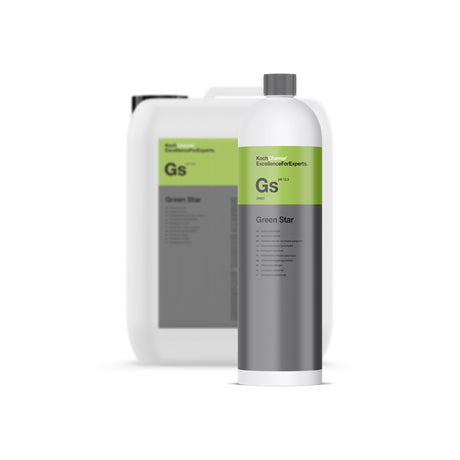
Green Star "Gs" Detergente Universale
Hochalkalischer APC-Konzentrat für Werkstatt, Motorraum und Hebebühne


Koch-Chemie
Testina spray "Star" (28/400) CHS-3AN di Canyon
Chemical spray head for 28/400 bottles with stepless nozzle
Koch-Chemie
Top Star "Ts" Cura Plastiche Interni
Silicone-free Plastic Care with UV Protection and Silk-Matte Finish
Koch-Chemie
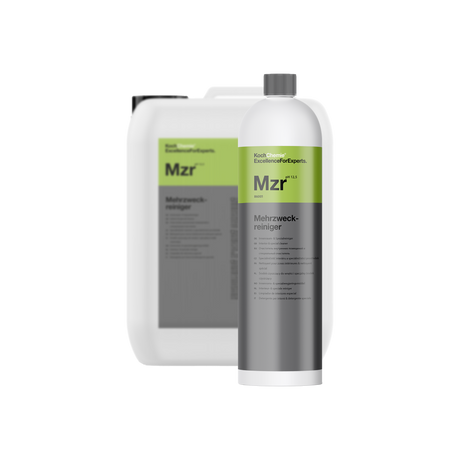
Detergente Multiuso "Mzr" Detergente Universale
Alkaline cleaner concentrate with pH 12.5 and Daimler approval
Koch-Chemie
Vorreiniger B "Vb" Pre-detergente
Alkaline pre-cleaner for car and truck pre-washing, VDA-compliant
Koch-Chemie
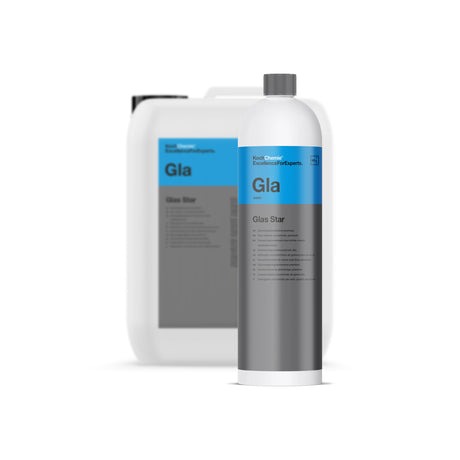
Glas Star "Gla" Detergente Vetri Concentrato
Concentrated alcohol-based glass cleaner with Daimler approval
Koch-Chemie
Cleans thoroughly and gently, preserves the shine of the paint surface
Koch-Chemie
Reactive Rust Remover "Rrr" anticontaminazione ferrosa
Maximum cleaning performance for flawless results without compromise
Koch-Chemie
Leather Star "Ls" Cura della pelle
Ready-to-use leather care emulsion with active UV blockers
Koch-Chemie
Teerwäsche A "Tea" rimuovi catrame e bitume
Perfect bitumen and tar removers for a flawless finish
Koch-Chemie
Gummifix "Guf" cura gomma e plastica
Silicone-free rubber and plastic care for non-slip floor mats


Koch-Chemie
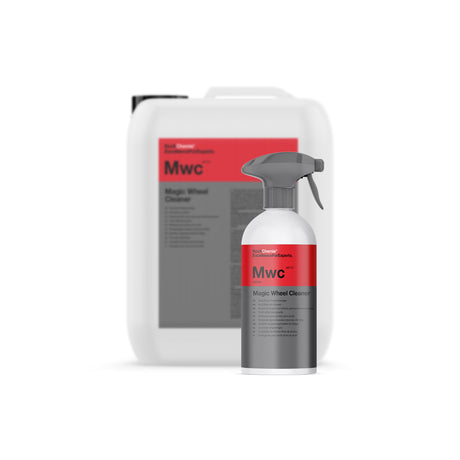
Magic Wheel Cleaner "Mwc" Pulitore cerchi
Acid-free wheel cleaner with color change for daily workshop use
Koch-Chemie
Cleans thoroughly and gently, preserves the shine of the paint surface
Koch-Chemie
Ceramic Effect Shampoo "Ces" Shampoo di mantenimento con effetto sealant a lunga durata
Care shampoo with SiO₂ sealant for coating-compatible hand wash
Koch-Chemie
Reactivation Shampoo "Rs" shampoo auto per coating ceramico
Revolutionary cleaning and protection for ceramic coated vehicles!


Koch-Chemie
Rapid Rinseless Wash "Rrw" — lavaggio senza risciacquo
Fast, paint-friendly washing without rinsing


SONAX
XTREME Rich-Foam Shampoo Shampoo Auto
Rich-Foam Shampoo — High-foaming car shampoo for foam guns


Koch-Chemie
NanoMagic Shampoo "Nms" Nano-Shampoo
High-tech shampoo with nano-sealant for maximum paint protection

SONAX
XTREME Ceramic Active-Shampoo Shampoo auto
Ceramic ActiveShampoo — Ceramic Protection with Every Hand Wash
Koch-Chemie
Aktivwäsche "Aw" Shampoo attivo
Efficient car shampoo for thorough cleaning and paint protection
Koch-Chemie
Glanzwachsshampoo "Gw" shampoo auto con sealant
Car shampoo for shine and protection with integrated sealant
TUGA Chemie
pH-neutral car shampoo concentrate with lychee scent, LSP safe


Meguiars
Ultimate Wash & Wax Autoshampoo
2-in-1 Shampoo with integrated wax protection
Koch-Chemie × THE FINISHER
THE FINISHER "MagicShampoo" Shampoo nutriente
Nourishing Shine Shampoo with Sealing Effect


GYEON
pH-neutral car shampoo for coatings and waxes

SONAX
XTREME Shampoo "2 in 1" Shampoo per auto
Shampoo "2 in 1" — Car shampoo with integrated wax care


INNOVACAR
Shampoo Auto Anticalcare "DS" Scale
Effective Anti-Limescale Car Shampoo for Perfect Vehicle Care


CarPro
CarPro "Reset" Intensive Car Shampoo
Highly concentrated car shampoo for paint coatings


INNOVACAR
Shampoo auto "S1" Wash&Coat con sealant SiO2
Shampoo with cleaning and SiO₂ protection in one step


Meguiars
GOLD CLASS Car Wash Shampoo & Conditioner Shampoo auto
Car shampoo for a perfect finish

SONAX
XTREME FoamGiant Shampoo Shampoo auto
FoamGiant — pH-neutral, gigantic foam carpet, film-safe


CarPro
"Descale" Acidic Car Shampoo Shampoo auto anticalcare
Effective Acidic Car Shampoo for Limescale and Dirt


Meguiars
Hybrid Ceramic "Wash & Wax" shampoo auto con sealant
Car shampoo for a perfect finish
D-CON
Mint "Splash & Wash" Shampoo Shampoo auto
High-Gloss Car Shampoo with Paint Protection
D-CON
D-CON Ceramic-Wash shampoo auto con sealant
High-quality, hydrophobic car shampoo for perfect protection
NAP Care
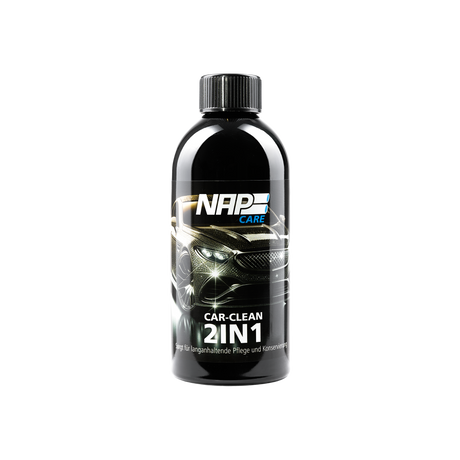
Shampoo auto con sealant "CAR-CLEAN"
2-in-1 Car Shampoo and Sealant for Shiny Cleanliness
Daniel von Detailing1 |

Daniel von Detailing1 |

Daniel von Detailing1 |

Daniel von Detailing1 |

Daniel von Detailing1 |

Jasper von Detailing1 |

Daniel von Detailing1 |

Daniel von Detailing1 |

Daniel von Detailing1 |

Daniel von Detailing1 |

Jasper von Detailing1 |

Daniel von Detailing1 |