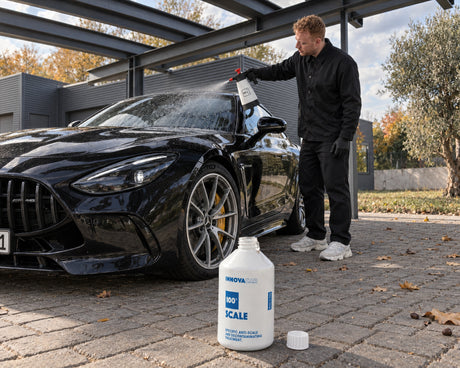










Removing limescale spots from car windows without scratching the glass
Daniel von Detailing1 |


Koch-Chemie
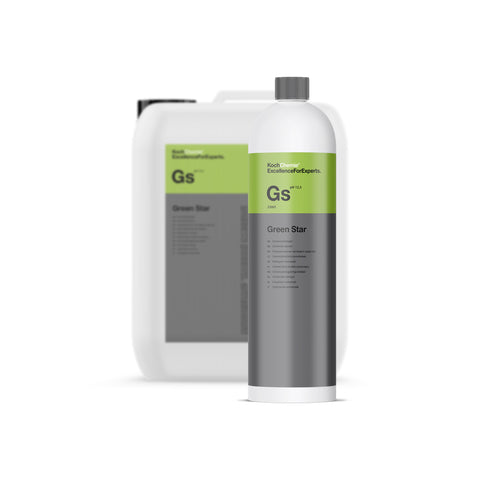
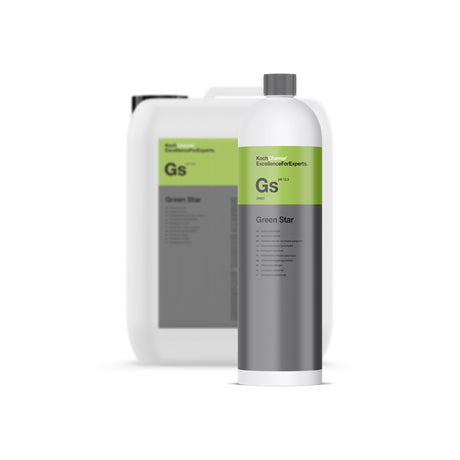
Green Star "Gs" Universal Cleaner
Highly alkaline APC concentrate for workshops, engine bays and lifts


Koch-Chemie
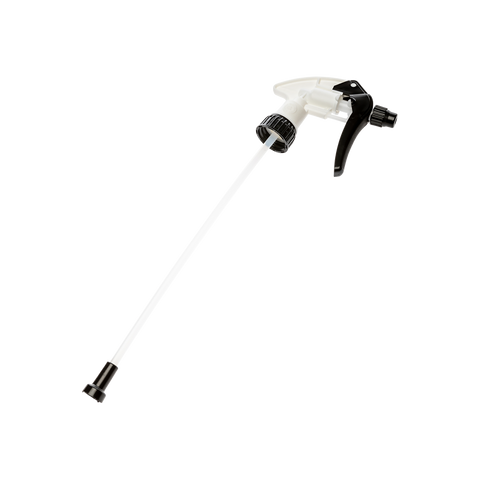
Spray Head "Star" (28/400) CHS-3AN by Canyon
Chemical spray head for 28/400 bottles with stepless nozzle
Koch-Chemie
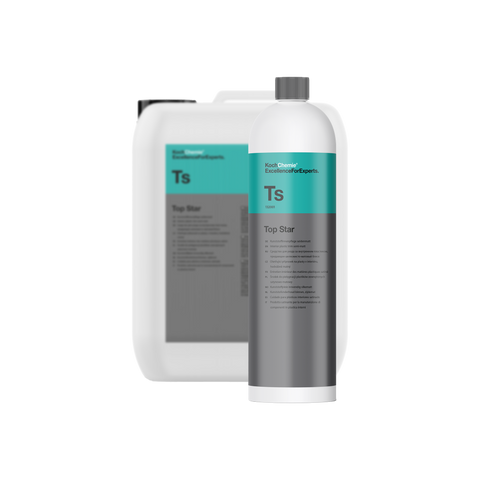
Top Star "Ts" Interior Plastic Care
Silicone-free Plastic Care with UV Protection and Silk-Matte Finish
Koch-Chemie
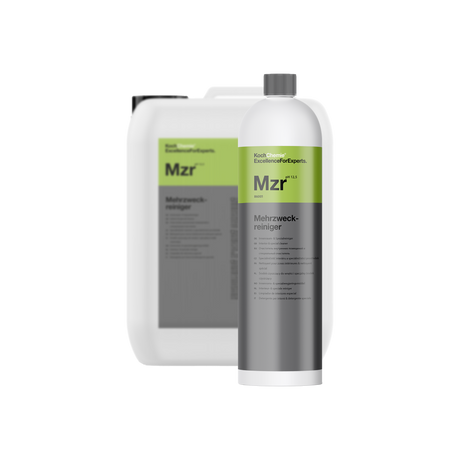
Multi-Purpose Cleaner "Mzr" All-Purpose Cleaner
Alkaline cleaner concentrate with pH 12.5 and Daimler approval
Koch-Chemie
Vorreiniger B "Vb" Pre-Cleaner
Alkaline pre-cleaner for car and truck pre-washing, VDA-compliant

Koch-Chemie Protector-Wax "Pw" is sprayed on after the wash.
Koch-Chemie
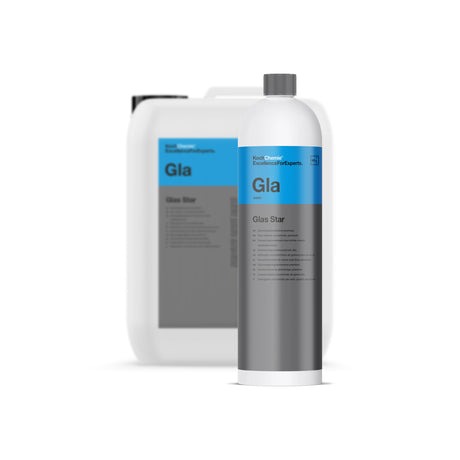
Glas Star "Gla" Glass Cleaner Concentrate
Concentrated alcohol-based glass cleaner with Daimler approval
Koch-Chemie
Cleans thoroughly and gently, preserves the shine of the paint surface
Koch-Chemie
Reactive Rust Remover "Rrr" iron fallout remover
Maximum cleaning performance for flawless results without compromise
Koch-Chemie
Teerwäsche A "Tea" Bitumen & Tar Remover
Perfect bitumen and tar removers for a flawless finish
Koch-Chemie
Leather Star "Ls" Leather Care
Ready-to-use leather care emulsion with active UV blockers
Koch-Chemie
Gummifix "Guf" rubber and plastic care
Silicone-free rubber and plastic care for non-slip floor mats


Koch-Chemie
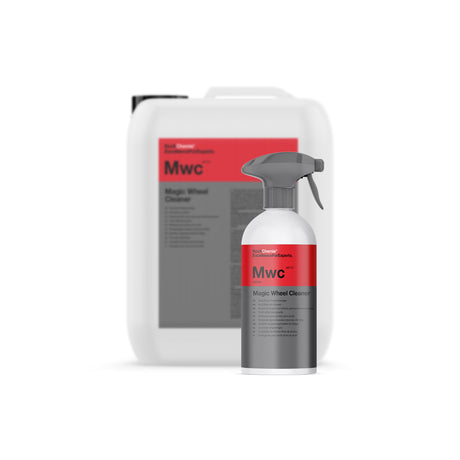
Magic Wheel Cleaner "Mwc" Wheel Cleaner
Acid-free wheel cleaner with color change for daily workshop use
The Koch-Chemie brand world at Detailing1 sorts cleaners, polishes, paint protection, interior care and accessories by what they're actually for. You can come in via the vehicle zone, a specific problem or a product group you already know. Curated examples show the typical categories, while each product page gives you the binding instructions for use.
Koch-Chemie is a manufacturer collection covering car washing, paint correction, surface protection, interior care and the accessories that go with them. This overview page helps you narrow down a very wide range by the job at hand and the surface you're working on. It doesn't replace the product instructions: material compatibility, dilution, application and safety always follow the current information for the item you pick.
A good choice doesn't start with the flashiest bottle on the shelf; it starts with what you want to achieve on the car. Loose dirt needs a different product group than mineral deposits, paint defects or dressing a freshly cleaned plastic. The surface matters just as much: paint, glass, wheels, fabric, leather, plastic and rubber all make different demands on chemistry and tools.
Detailing1's tip from the shop: What we see day-to-day: before you choose, jot down the surface, its condition and the result you want in one short sentence, e.g. "evenly dress cleaned, textured interior plastic". That usually gets you to the right product group faster, and you won't end up treating cleaner, dressing and applicator as if they were interchangeable.
Exterior cleaning in the range covers pre-cleaners, shampoos and specialist cleaners, with jobs that run from prepping the wash to removing one particular type of residue. The names may sound alike, but the jobs are clearly different: a shampoo backs up your regular hand wash, while a pre-cleaner handles the stage before it. Products for bug splatter, fallout or water spots, in turn, target a much more narrowly defined problem. Picking the right category gets you further than simply hunting for "strong" or "mild".
Once the car is clean, paint correction begins. You choose polishes by defect, paint condition, the finish you're after and the machine you use. Cutting, one-step and finishing variants aren't just different names; each strikes a different balance between cut and finish. The pad belongs in that decision too, because foam structure, hardness, size and pad condition all shape the result. A polish on its own is not yet a complete polishing setup.
Protection products go onto a prepped surface. In the collection you'll find different routes such as wax, spray sealant, wet sealant or ceramic-based systems. Don't compare these categories on expected gloss alone. Application, prep, curing, maintenance and how the car is used afterwards all differ. If you want a quick top-up after the wash, you need a different pick than someone looking to protect paint prepped in several stages for the long haul.
Inside the car, cleaners and dressings run into constant material changes. Fabric, leather, screens, painted trim and textured plastics often sit right next to each other. So you narrow down the target surface first, then decide between cleaning, spot treatment and care. A plastic dressing shouldn't cover up a film of dirt nobody has dealt with; equally, an interior cleaner won't automatically give you the care effect you want.
Accessories tie these product areas together. Spray heads, bottles, brushes, sponges, cloths, wash mitts and pads shape how the product spreads, how much mechanical contact there is and how it comes off. They aren't random add-ons to the chemistry. A glass or polishing cloth, for example, does a different job from a thirsty drying towel, and you pick an interior brush differently from a tough brush for wheels or the engine bay.
That turns the manufacturer's range into a clear map: clean, correct, protect, maintain, and work with the right accessories. These areas can complement each other, but they shouldn't blur into one. Once you've matched your job to a category, you can compare variants in a targeted way instead of wading through similarly named single items.
If you already know the vehicle zone, the By area of use — Koch-Chemie route takes you to product areas organised by paint, wheels, glass, interior or engine bay. It's especially handy when several steps are due on the same zone and you first want to see which cleaners, care products and tools are meant for it.
If you're looking at a specific defect, By problem — Koch-Chemie is the way in. Water spots, fallout, bug residue or holograms each need their own diagnosis. Starting from the problem stops you from treating marks that look alike in the same way by default. It takes you from what you can see to the right category, and from there to the detailed product information.
If you already know whether you need a shampoo, polish, sealant, cloth or brush, go in via By Product Group — Koch-Chemie. Items with the same function are easier to compare there. That makes sense for restocking, for adding to an existing setup or when earlier advice has already pinned down the product type.
The three routes answer different questions. "Where am I working?" leads to use, "what problem am I seeing?" to problem, and "what type of product am I after?" to product group. Switching between them is very much intended. Start at the wheel and you can jump to a specific type of residue; start at the polish and you can head back to the paint zone if the defect pattern isn't clear yet.
This manufacturer page deliberately sticks to range and selection. The linked guides sort the choice by use, problem or product group; actual dilutions and application details are on the product page and in the documents listed there. That keeps it clear which information you can rely on where. The collection opens the right area without trying to pre-empt every single application.
To get your bearings, three details are often enough: surface, job and the result you want. After that, within the right category, you only compare products whose description fits those three. A known brand name doesn't settle an unclear material question; when in doubt, the specific approval for that item is what counts.
Green Star "Gs" is listed in the range as an all-purpose cleaner and serves here as an example of how to tell product role, surface and pack size apart when choosing. Among others, it's listed as 1000 ml / 1 litre and in larger 11 kg, 22 kg and 225 kg units. Those figures help you pick a pack size, but they say nothing about a blanket yield or a dilution that suits every surface.
"All-purpose cleaner" describes a broad product role, not unlimited material compatibility. Before you choose, be clear about which surface you're cleaning and what kind of dirt is on it. A tough workshop floor, a delicate interior plastic and a painted body panel can't be treated the same just because the product name is the same. What counts are the areas of use the product explicitly lists.
With concentrated cleaners, also keep pack size and working dilution apart. A bigger container changes buying and storage, not automatically how you use it. Don't carry the exact ratio over from experience with other products. Go by the label, product information and, if needed, the safety data sheet of the item you actually picked.
Application technique is part of the choice too. A sprayer only works if container, seal, spray head and product are compatible. For other jobs, a brush, sponge or cloth may be the better partner. The tool should support the intended spread and removal without putting needless mechanical stress on delicate surfaces.
The example shows how to place a well-known product name properly: check category and target surface first, then pick the pack size, and finally read the product-specific instructions. For narrow, specialist problems, a dedicated cleaner may be the better call.
If you look after several cleaning areas, compare items separately by job. Pre-wash, hand wash, interior, glass and spot residue removal all have different demands. The choice gets clearer once you stop looking for a single do-it-all product and look for the one whose stated role fits the surface in front of you.
In paint correction, polish, pad, machine and technique together decide which combination suits the defect pattern, paint hardness and desired finish. Heavy cutting compounds aim for stronger defect removal, finer variants for a calmer finish; one-step products try to combine several goals in a single pass. These terms are a first pointer, nothing more.
You don't pick a pad by colour alone. Product line, hardness, diameter, design and condition all have to match the polish and the machine. A clogged or damaged pad changes how things behave just as much as the wrong size does. That's why the brand world gives you separate routes to polishes, cutting pads, finishing pads and other accessory groups instead of lumping everything under one generic paint care heading.
Correction isn't automatically followed by the same protection product. Wax, paint sealant, spray protection and ceramic coating differ in prep and use. A wet sealant also belongs in a different context from a coating you apply to a dry panel. Your choice should fit the space you work in, the prepped paint and the maintenance that follows.
If you're new to this, it often helps to describe the result you want first. If you just want to top up the paint easily after a wash, a different product type takes centre stage than for a fully prepped car with a longer cure time in a sheltered work area. Keep those two projects apart and you can compare products more objectively and avoid buying twice.
Inspection products and cloths round off the area. Polish residue has to be judged and wiped off differently from water after a wash. A soft polishing cloth, a glass cloth and a large drying towel are therefore not interchangeable versions of the same accessory. What you use it for points you to the right fibre structure and size.
The manufacturer collection shows these links without promising a universal polishing or protection recipe. For the actual combination, the respective product description is what counts. Especially with an unknown paint system, matte surfaces, wraps or existing coatings, check material compatibility before you buy.
Koch-Chemie Top Star "Ts" is listed as an interior plastic dressing and serves here as a curated example for choosing care products and suitable pack sizes. Listed sizes include 1000 ml / 1 litre and 10 litres. That makes it an example of care after cleaning; the pack size is neither a dilution recommendation nor a fixed figure for how many cars you can treat.
Interior plastic isn't one uniform surface. Textured trim, painted inserts, screens, soft-touch areas, the zone around the steering wheel and the pedal area all call for different decisions. Only use a plastic dressing where the product explicitly names that surface. On controls, it's not just about looks; you don't want any unwanted slipperiness or a distracting film either.
Settle on the finish you want before you buy. Some cars benefit from a calm, even look; other surfaces should stay as untouched and matte as possible. "More shine" is therefore not a general sign of quality. The product description helps you match the care effect to the look you're after.
Application also means suitable applicators and wipe-off cloths. An applicator lays the dressing down precisely, while a separate cloth can pick up excess and even out the finish. Both should be clean and kept for that particular material zone. Tools that have been in contact with strong cleaner or exterior grime have no place on delicate interior surfaces.
The Koch-Chemie Spray Head "Star" (28/400) CHS-3AN by Canyon is a curated accessory example and is listed with the 28/400 thread spec. That marking helps you match it to the right container, but it doesn't replace checking thread, seal and chemical resistance. So don't pick accessories on looks alone or because the bottle neck seems similar.
Brushes also differ by where you use them. Soft versions may be meant for dusty detail areas, tougher ones for harder-wearing exterior areas. With cloths, fibre, edge, absorbency and the job all count: cleaning, polishing, a final wipe on glass or soaking up water. The right accessory makes your product choice more complete and easier to follow.
Pack sizes help you plan a detailing project when you weigh them against what you actually need, how you store it and how you'll dispense it. For occasional private use, a handy unit can be easier to manage; for regular use, larger containers can make sense both cost-wise and logistically. Also keep an eye on shelf life as stated by the manufacturer.
A big container isn't automatically the cheapest option if leftovers sit around for ages or you haven't worked out how to dispense it. On the flip side, lots of small units can create needless hassle. So don't just compare litres or kilos; compare how often you use it, your workspace and the dosing or dispensing kit you already have.
Green Star "Gs", Top Star "Ts" and the "Star" spray head are curated examples on this page from cleaning, care and accessories. They say nothing about which product is generally bought most often, and they don't represent every category of the brand. You'll find polishes, pads, wash products and protection via the product groups and the other two navigation routes.
Availability of individual variants can change. So check on the product page which unit you can currently select. A visible item is also not an automatic recommendation for every car. Only when surface, job and product-specific details line up does an interesting starting point become a well-founded choice.
Product codes make it easier to tell similarly named items apart. When restocking, check them against the full product name and the size you want. That goes especially for accessory threads, polish-and-pad combos and product families with several performance levels. A familiar abbreviation alone isn't enough if the variant or job differs.
So for Koch-Chemie at Detailing1, the rule of thumb is simple: pick the area of the range first, narrow it down by use, problem or product group, then check the details of the specific item. That keeps the brand's breadth easy to follow without squashing cleaners, polishes, protection products, interior care and accessories into one blanket recommendation.
Too much choice in Koch-Chemie? Get help picking:
Koch-Chemie is a manufacturer of cleaning and care products for vehicle detailing and other areas of application. The brand world at Detailing1 categorizes wash products, polishes, protection solutions, interior care, and accessories according to their task and surface. This helps you with your selection; the specific material suitability and application instructions are provided with each respective product.
Select the cleaning products based on the surface and the level of dirt, and follow the instructions provided for the selected product. Pre-cleaners, shampoos, and specialized cleaners fulfill different tasks; dosage and removal methods cannot be applied across the board. The Car Wash section will help you with your selection. Always test suitability first on an inconspicuous area.
Coarse abrasive polishes are intended for greater defect removal, while finish polishes are designed for holograms and a refined finish. The choice depends on the paint condition, type of defect, the machine being used, and the appropriate pad; the product name alone is not enough. You can compare the different approaches in the Polishing section. A test spot helps to narrow down the suitable combination before treating the entire surface.
No. This term describes a broad category of cleaners. The explicitly stated surfaces, application instructions, and limitations of the specific product are always binding. Therefore, always check the target surface and the type of dirt first. Do not apply dosage or application concentrations from another cleaner based solely on a similar name.
No. Do not transfer a mixing ratio to a different cleaner simply because of similar product names or areas of application. The label and product information of the specific item chosen are what count. Even a larger container size does not automatically change the application concentration. Therefore, check the product, the target surface, and the manufacturer's instructions before preparing a working solution.
You need products and accessories that match the surface and the task. Spray equipment, pads, brushes, applicators, and cloths assist with application, contact, and removal. An applicator distributes the care product, while a separate cloth removes any excess. Also check the suitability of the spray head, seal, and container; the appearance alone is not sufficient.

Daniel von Detailing1 |

Daniel von Detailing1 |

Daniel von Detailing1 |

Daniel von Detailing1 |

Jasper von Detailing1 |

Daniel von Detailing1 |

Daniel von Detailing1 |

Daniel von Detailing1 |

Jasper von Detailing1 |

Jasper von Detailing1 |

Daniel von Detailing1 |

Daniel von Detailing1 |